
CT DEEP Reminds Facilities of Major Stormwater Reporting Changes
If your facility operates under Connecticut’s Industrial Stormwater General Permit (IGP), there are several important compliance deadlines and reporting changes you should be aware of.
In its latest Client Concierge Update, The Connecticut Department of Energy and Environmental Protection (CT DEEP) reminded permit holders that the transition to the 2025 IGP is well underway, with more than 800 permit applications already submitted statewide.
The Biggest Change: NetDMR Reporting
The most significant change is probably the method of submission for analytical data.
Permittees covered under the IGP are required to collect stormwater samples and submit analytical monitoring results semiannually for at least the first two years of coverage. The first set of data (for samples taken between January 1 and June 30) must be reported via email by July 31, 2026. Permittees must use their sector-specific Discharge Monitoring Report (DMR) and email the report to deep.stormwaterindustrial@ct.gov. After receiving a Notice of Coverage (NOC) from the Commissioner, monitoring data must be electronically submitted via NetDMR.
For facilities accustomed to traditional reporting methods, this isn’t just a paperwork change. NetDMR users must establish an account, complete identity verification, obtain the appropriate permissions, and become familiar with the electronic reporting system before submitting monitoring data.
If you have never used NetDMR before, now would be a good time to create an account and get familiar with navigating the site.
A Reminder About No Exposure Certifications
DEEP’s update also clarified a point that often creates confusion among facilities.
Some facilities assume that because they have only limited industrial activity outdoors, they qualify for a No Exposure Certification (NEC). However, DEEP is reminding permittees that an NEC is only appropriate when all industrial materials and activities remain completely protected from precipitation. This means facilities with uncovered loading docks, outdoor forklift activity, or outdoor storage of industrial materials (unless specifically exempted under the permit) generally do not qualify for an NEC.
Even more importantly, DEEP notes that facilities without a point source stormwater discharge do not need IGP coverage at all, even if they have outdoor industrial activity. Filing a NEC in those situations is also unnecessary.
Commercial Stormwater Requirements Continue to Expand
The update also highlights CT’s newer Commercial Stormwater General Permit.
Facilities operating under this permit should be aware that the program now includes routine stormwater monitoring requirements and electronic reporting through NetDMR. Organizations that previously viewed the permit as relatively straightforward may find additional compliance responsibilities under the updated requirements.
PFAS Continues to Shape Water Permitting
Lastly, DEEP announced the release of its PFAS Roadmap 2.0, updating earlier guidance from 2023.
The roadmap outlines the agency’s evolving expectations for PFAS monitoring, reporting, and potential effluent limitations across Connecticut’s water permitting programs.
How Walden Can Help
Environmental reporting deadlines have a way of arriving quickly. Whether you’re applying for permit coverage for the first time or preparing for your next monitoring event, Walden can help with:
- Permit compliance (not just stormwater!)
- Stormwater Pollution Prevention Plan (SWPPP) development and updates
- Analytical sampling and laboratory coordination
- NetDMR account setup and reporting assistance
- No Exposure Certification evaluations
- Compliance audits and regulatory interpretation
- PFAS and other emerging contaminant requirements
Our team works with facilities throughout Connecticut to simplify environmental compliance and help keep permits on track before deadlines become violations. Contact us today at 860-846-4069.
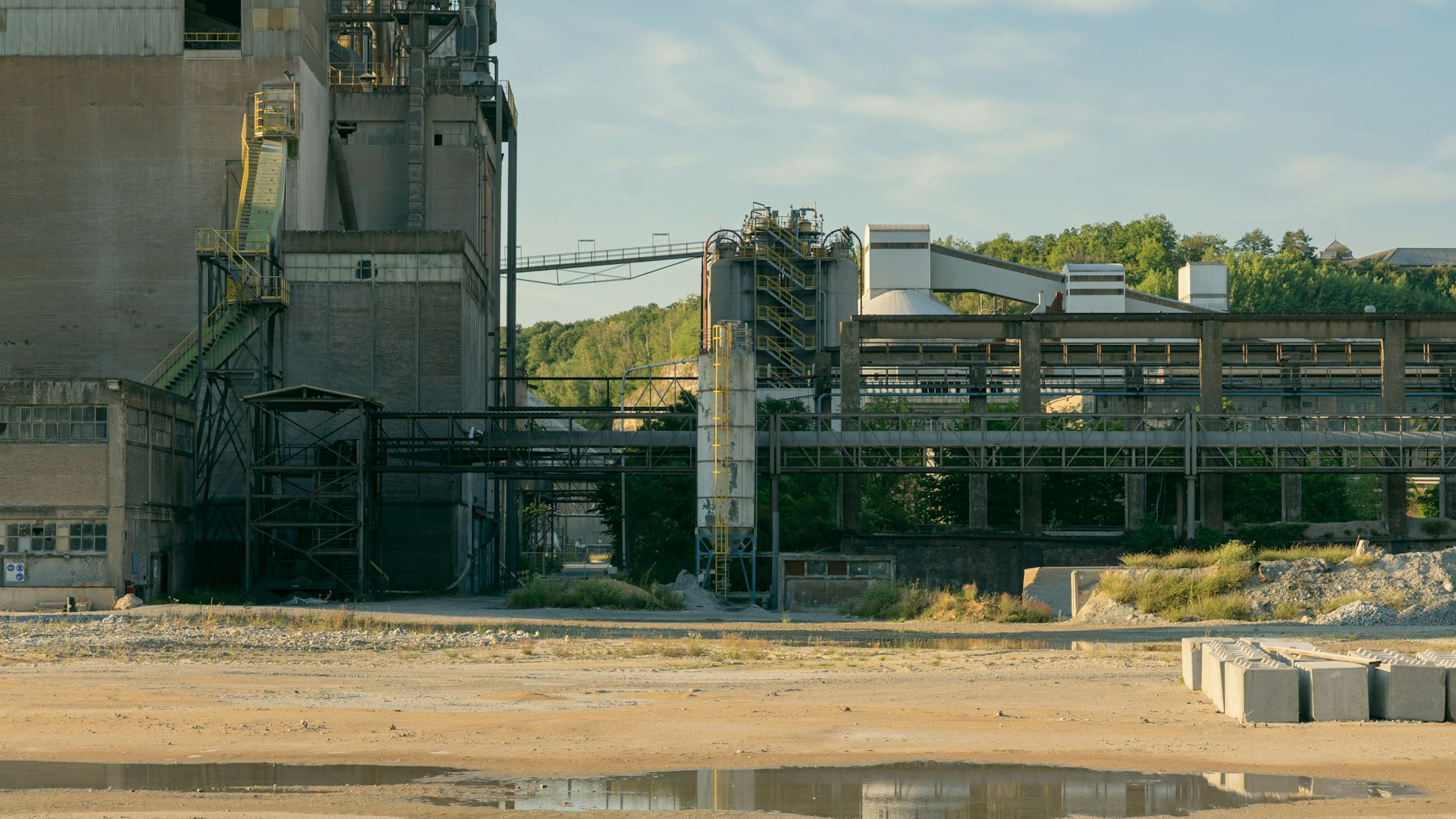
Photo by Theo Aartsma on Unsplash
Contact Walden’s Environmental Health and Safety team at 860-846-4069 for assistance with your industrial or commercial stormwater permit.