
What’s Your Rescue Plan When Using Fall Protection?
Fall protection is a vital part of ensuring the safety of employees working at elevated heights. Past Walden blogs have covered fall protection inspection, training, violations, and more. Today, we turn to the following question: what happens if you actually fall?
Fall protection usually entails someone strapping on a harness, tying off to an anchor point, and performing their job. However, it is important to remember that having fall protection on doesn’t guarantee survival if you actually fall. What happens after the fall? How do you get down safely? And who’s coming to get you?
If you don’t have a solid rescue plan in place, a simple slip can turn into a serious, even life-threatening, situation. That’s why safety professionals, supervisors, and workers need to think beyond just wearing the gear; they need a rescue strategy that works.
Why rescue matters
Imagine: you’re a worker on a construction site, harness secured, working at height. You lose your footing and suddenly, you’re dangling in midair. Now what?
When someone hangs too long in a harness, blood flow gets restricted to the legs and can cause suspension trauma. Within five minutes, you can experience dizziness, nausea, and even unconsciousness. In worst-case scenarios, this can be fatal. To prevent suspension trauma, every harness should have fall protection suspension trauma straps. These allow you to relieve the pressure and buy more time for a safe rescue.
Self-rescue isn’t always possible. You might be strong enough to pull yourself up, but what if you’re injured? What if your legs go numb from harness pressure? What if the fall knocked the wind out of you? Your rescue plan should include self-rescue when feasible, but should also include scenarios for when it’s not.
Calling 911 isn’t a rescue plan. It might seem like the logical choice, but is your local EMS trained in high angle rescue? Will they have the right equipment? Can they arrive before suspension trauma sets in? A good rescue plan ensures trained team members can act fast.
Make your rescue plan before the fall
A rescue plan isn’t something you figure out after someone is already hanging from a building. It should be part of your work process from the start.
A rescue plan needs to be context-dependent and account for the resources available on site. The plan for a small commercial building will be very different from the plan for a communications tower.
The plan must also include designated personnel, preferably with site-specific training.
Additionally, it must cover the equipment. On most sites, this can be as simple as a ladder, man lift, scissor lift, or a self-rescue backpack with a trained operator. On more complex sites, you may need personnel trained in rope rescue and high angle rescue.
Having a plan is great, but you also need to practice. If your plan for rescue requires a man lift, it’s important to be sure that it can reach the person who fell before a fall actually happens. Practice without the stress of a real fall. Then you will be able to reliably perform the rescue when it counts.
Respond fast when a fall happens
If a worker falls and is suspended, every second counts. First make contact with the worker and understand if they have any injuries that could limit your rescue strategy. If they don’t have suspension trauma straps, is there something that they can use to relieve the pressure on their legs? If so, use it. Act quickly to implement the rescue plan. Once the fallen worker is safely down, administer first aid for any injuries that they have.
A rescue plan saves lives
Fall protection isn’t just about preventing falls; it’s about ensuring workers survive the fall safely. A rescue plan is a required part of a fall protection program, and can be the difference between life and death.
If you’re a safety professional, construction supervisor, or work at height, don’t wait until an emergency to figure things out. Make sure your team has a plan, knows the procedures, and can act fast when it matters most.
If you need help developing a fall protection rescue plan, program, or training, contact Walden’s EHS specialists at 860-846-4069.
For additional reading on fall protection, visit our blog series that was published during this year’s Construction Safety Week:
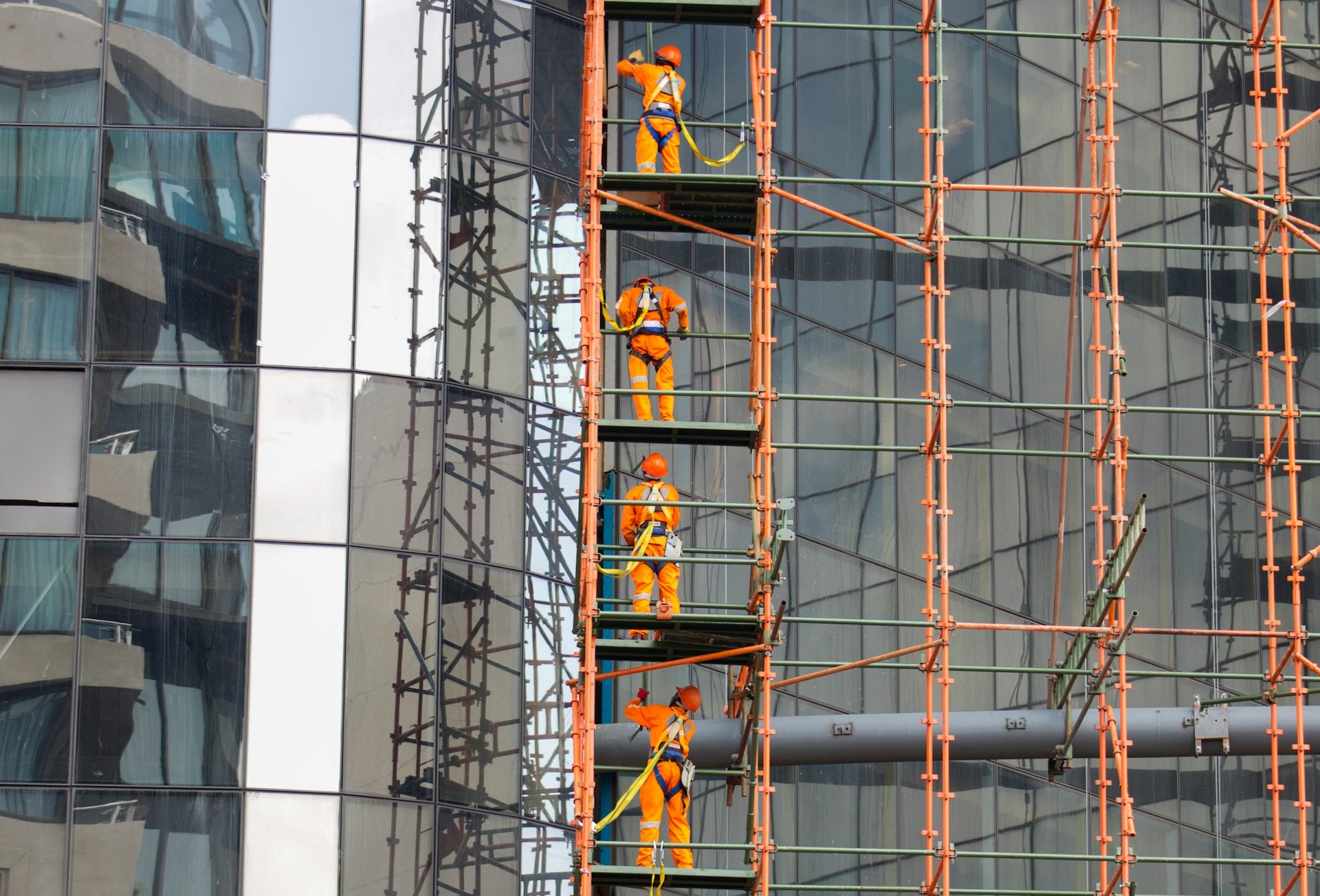
Photo by Hush Naidoo Jade Photography on Unsplash
To learn more about safety program development and training, contact Walden’s EHS team at 860-846-4069.