
The Role of First Aid and CPR in Emergency Response Plans: How Prepared Are You?
Most people don’t head into work expecting to deal with a serious injury or life-threatening emergency, but these situations do happen. The truth is, emergencies can happen anywhere at any time, and the best defense is being prepared.
When an emergency strikes, time is critical. An injury or sudden illness can unfold in seconds, and how quickly your team responds may determine whether the outcome is minor or tragic. OSHA recognizes this, which is why first aid and CPR are integral parts of workplace safety requirements and emergency response planning.
What Does OSHA Require?
Under 29 CFR 1910.151, employers are required to provide adequate first aid supplies and ensure that trained personnel are available if medical services are not immediately accessible. This means if emergency response is not in “near proximity,” employers must ensure that:
- First aid kits must be stocked and accessible.
- Employees trained in CPR and first aid must be available to respond until professional medical help arrives.
Beyond the 1910.151 standard, OSHA calls out specific situations where CPR and first aid training are mandatory. For example, employees working in permit-required confined spaces or in electric power generation and transmission must be trained in both. Even when it isn’t explicitly required, OSHA encourages having at least a few employees trained in first aid and CPR as best practice, especially in heavy industrial workplaces or where emergency responders might take longer to arrive.
What Else Is Involved in Emergency Planning?
For employers in the process of developing or updating their emergency action plan (EAP), remember that an EAP includes much more than stocking first aid kits and running fire drills. A strong plan addresses medical emergencies, severe weather protocols, and suspicious people as well. This includes ensuring coverage across all shifts, establishing a shelter area, posting signage, and holding practice drills so employees can react quickly and confidently.
To gauge the current efficiency of the emergency response in your workplace, ask yourself:
- How prepared is my workplace today?
- Do my employees know who to call in a medical emergency?
- Are trained responders available on every shift?
- Are first aid supplies checked regularly to make sure they’re ready when needed?
These questions will not only help your business with compliance; they will also keep your employees safe.
How Walden Can Help Build Your EAP
CPR certifications expire every two years, helping keep emergency response plans aligned with evolving medical recommendations. Recertification not only ensures compliance but also helps employees retain lifesaving skills through regular practice. Walden’s EHS team includes certified CPR instructors who can train and certify your employees in just one day. We also provide bloodborne pathogen training (required for CPR-certified personnel), emergency response training, EAP program development, and more.
Contact Walden today at 860-846-4069 for more information.
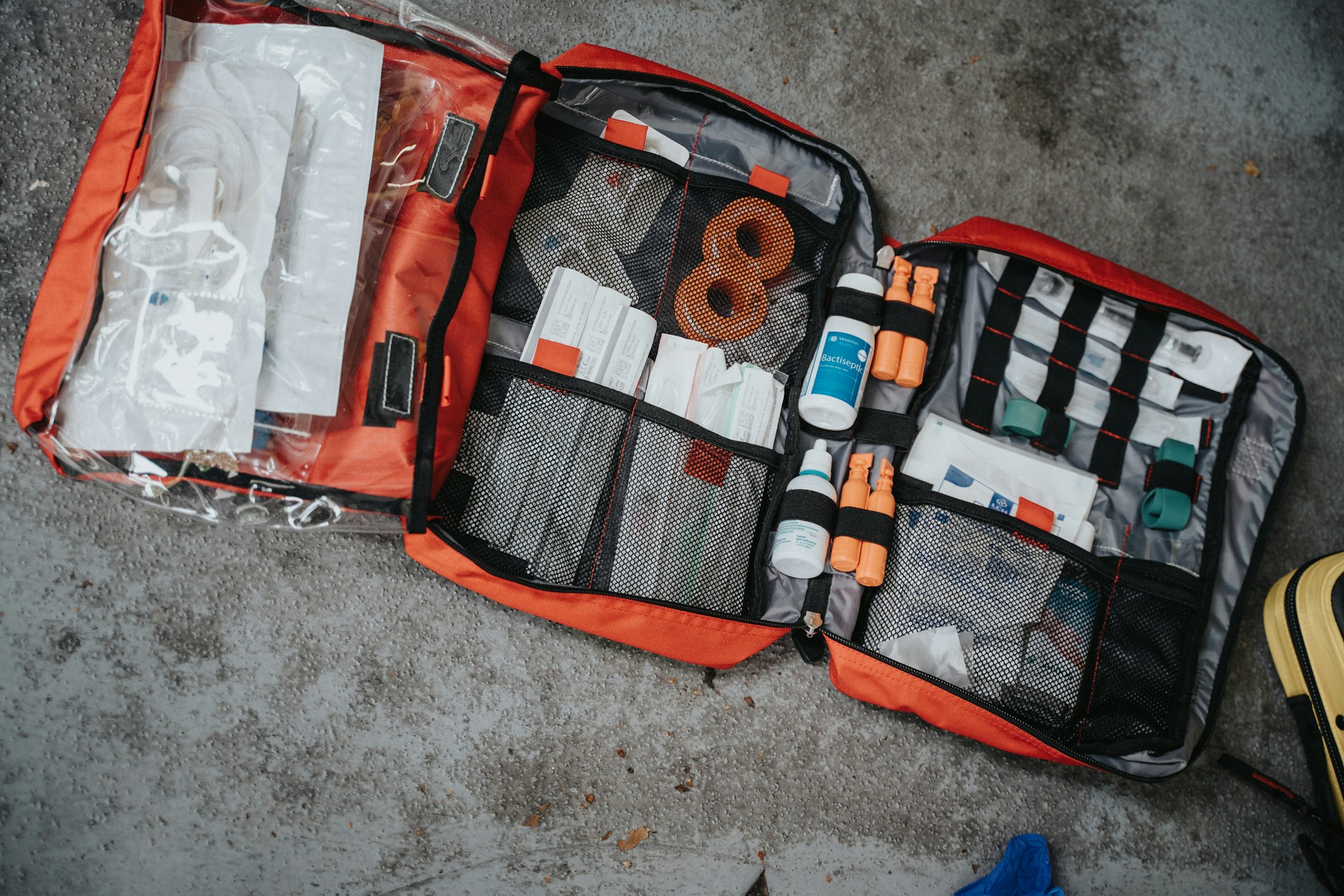
Photo by Mathurin NAPOLY / matnapo on Unsplash
Contact Walden’s EHS specialists at 860-846-4069 to learn more about our safety training and emergency response program development services.