OSHA Requests Input on Future Hazard Communication Changes
Hazard communication requirements are still evolving, and OSHA is reminding employers that these standards are far from static.
In a recent Federal Register notice, OSHA announced upcoming public meetings related to the United Nation’s Globally Harmonized System of Classification and Labeling of Chemicals (GHS). While this may sound like just another routine meeting, these discussions can eventually influence future updates to OSHA’s Hazard Communication Standard.
What Does This Mean for You?
For many employers, HazCom simply means Safety Data Sheets (SDSs), chemical labels, and employee training. But behind the scenes, OSHA’s standard is heavily tied to the UN’s GHS framework. As the UN revises and updates GHS criteria (which happens often), OSHA periodically evaluates whether changes should eventually be incorporated into U.S. regulations. That’s what these meetings are about.
OSHA is currently seeking feedback from stakeholders before participating in upcoming international GHS discussions. This gives employers, safety professionals, chemical manufacturers, and other stakeholders an opportunity to provide feedback about the current regulations and raise concerns about real-world challenges tied to the HazCom standard.
In other words, OSHA is asking what is and is not working in the field. That feedback can include issues such as:
- Confusing or overly complicated label language
- Small container labeling limitations
- Difficulties with chemical classification
- Trade secret concerns
These discussions matter because hazard communication requirements continue to become more detailed over time. OSHA’s 2024 HazCom update already aligned portions of the standard with newer GHS revisions by adding and revising several hazard classifications and labeling requirements.
Industry feedback can play a role in shaping future regulations before they are formally adopted. The companies and safety professionals who work with these requirements every day are often the ones best positioned to identify gaps, practical concerns, or unintended compliance challenges.
Even though no immediate regulatory changes are being announced in this notice, it is clear that OSHA plans to continue refining its standards to improve consistency and employee safety.
How Walden Can Help
For facilities that manufacture, import, or handle hazardous chemicals, staying proactive is key. Reviewing SDSs, maintaining accurate labeling, training employees, and keeping programs current can help employers stay prepared as future changes develop.
If your facility needs assistance updating its hazard communication program, Walden can help. Contact our EHS team today at 860-846-4069 to discuss your compliance needs.
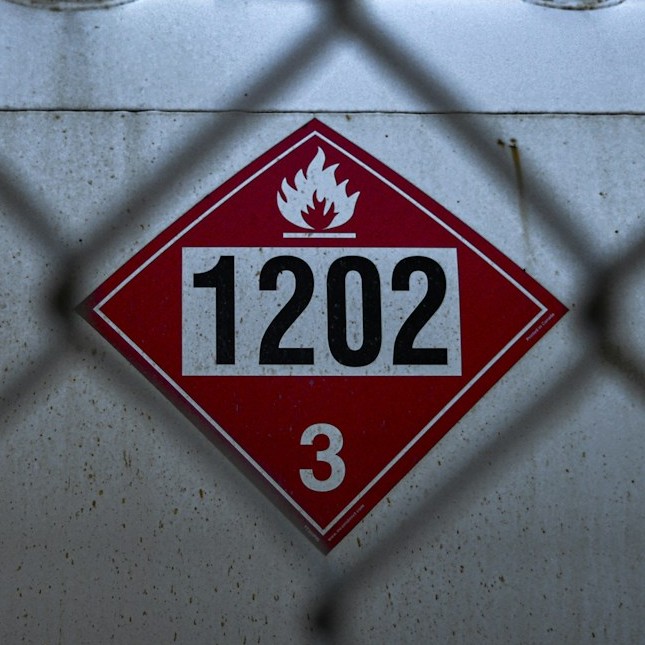
Photo by Sam Shimenosky on Unsplash
Contact Walden at 860-846-4069 to discuss your HazCom program with an experienced safety professional.