
CT Reissues the Dewatering and Remediation Wastewater General Permit
The Connecticut Department of Energy and Environmental Protection (CT DEEP) has reissued the General Permit for the Discharge of Dewatering and Remediation Wastewaters (D2R GP) effective March 1, 2026. This follows the reissuance of the General Pretreatment Permit for Significant Industrial User, Dewatering, and Remediation Discharges (SIU GP) that went into effect December 1, 2025.
Both permits cover dewatering and remediation activities. However, permittees should be advised of one important change in the updated permitting structure: the discharge destination now determines which permit applies.
This D2R GP authorizes wastewater associated with construction dewatering, groundwater remediation, and environmental cleanup activities to be discharged to surface waters or groundwater.
The SIU GP authorizes the same wastewater to be discharged to Publicly Owned Treatment Works (POTW).
Important Compliance Deadlines for Dewatering/Remediation Dischargers
Because the updated framework regulates two different categories of discharges, separate compliance deadlines apply.
Existing D2R Permittees
Facilities currently operating under the previous D2R GP must submit a new and complete application by May 30, 2026, to maintain coverage under the reissued permit.
Failure to submit the renewal application by this deadline may result in a lapse of authorization to discharge.
Discharges to POTWs
Facilities discharging dewatering or remediation wastewater to a POTW must have transitioned to coverage under the SIU GP by March 1, 2026.
New Applicants
New applicants seeking coverage under the D2R General Permit must submit an application at least 180 days prior to the planned discharge activity.
This lead time allows DEEP sufficient time to review the application and determine eligibility for permit coverage.
Permit Documents and Application Materials
DEEP has dedicated webpages for both the D2R GP and SIU GP where users can access the full permits, application forms/guidance, and other compliance resources.
Companies performing construction dewatering, environmental remediation, or groundwater management activities should review the updated permit requirements to determine how the changes affect their operations.
Understanding these changes early can help facilities avoid compliance issues and prevent operational delays.
How Walden Can Help
Navigating changes to wastewater permitting requirements can be complex, especially when facilities or projects involve multiple discharge pathways. Walden helps clients understand and comply with CT DEEP permit requirements.
Our team can determine:
- Where wastewater is being discharged (surface water, groundwater, or sanitary sewer),
- Which general permit applies to your discharge, and
- Whether a new application or permit transition is required.
Walden also offers employee training, program development, gap audits, and more. Contact our Environmental Health and Safety (EHS) team to discuss your facility’s needs at 860-846-4069.
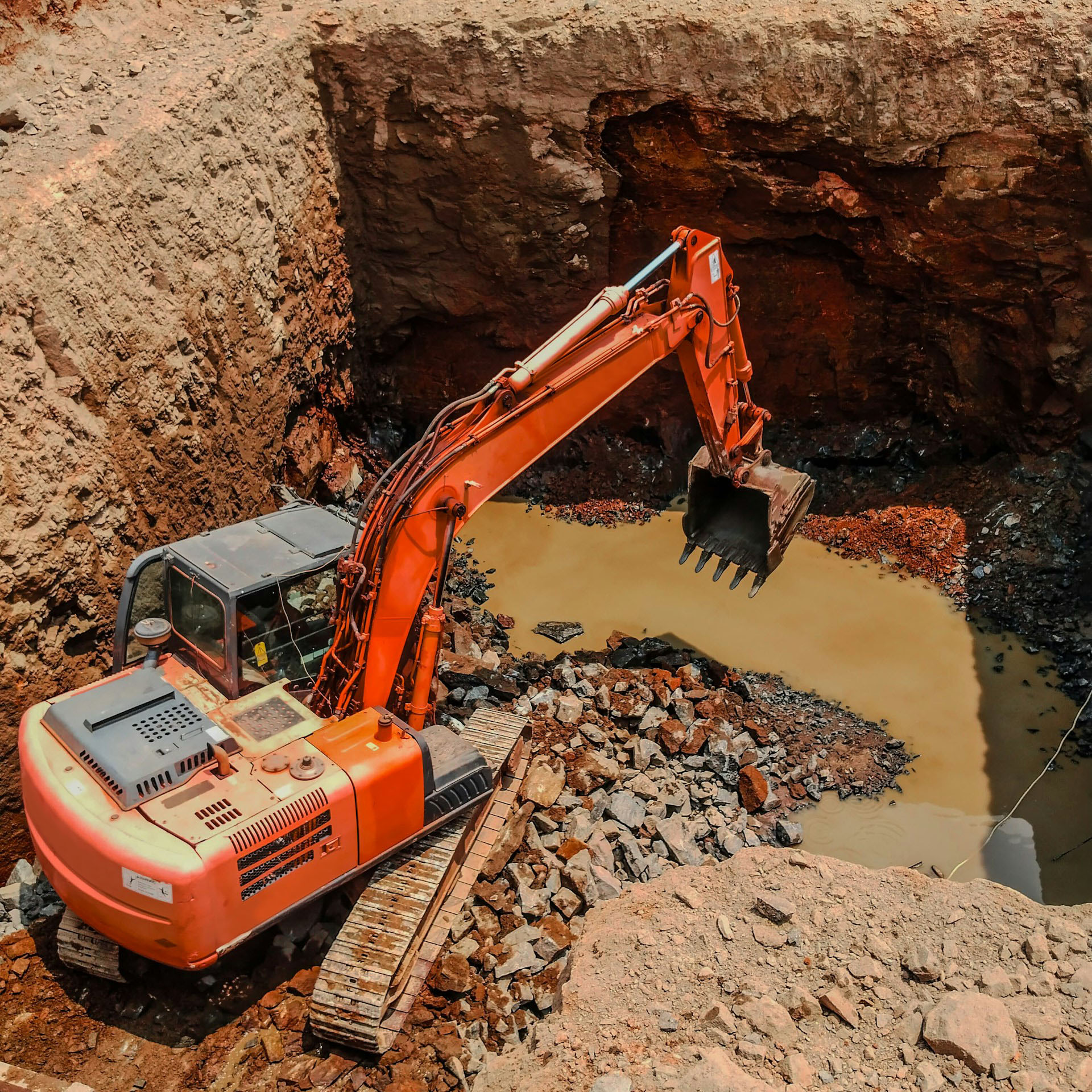
Photo by Dinesh Kumar on Unsplash