Revised NYSDEC Part 375-6.8 Regulations and Their Applicability to Part 360
On December 31, 2025, the New York State Department of Environmental Conservation’s (DEC’s) amendments to 6 NYCRR Part 375 took effect. These regulatory changes are the result of an extensive revision process. The Part 375 updates have a wide range of impacts and affect, among other things, inactive hazardous waste sites and the Brownfield Cleanup Program. Below we will review what the Part 375 changes mean for Part 360 regulations.
What Is NYSDEC Part 375-6.8?
Subpart 6.8 of Part 375 is a section that is used as the central reference for soil cleanup standards. Part 375-6.8 contains the Soil Cleanup Objective (SCO) tables that are used in DEC’s remedial programs to set numeric soil quality levels for a wide range of contaminants based on different land-uses, such as unrestricted use, residential, commercial, industrial, protection of ecological resources, and protection of groundwater resources. However, DEC’s recent revisions to Part 375-6.8 only affect the sections that pertain to unrestricted and restricted use.
Applicability to Part 360
Part 360 is DEC’s set of regulations pertaining to solid waste management. Specifically, Part 360 regulates how solid waste is handled, disposed of, or reused. These regulations include how to distinguish different types of soil as waste or non-waste, which dictates different ways soil can be handled, disposed of, or reused through a process known as beneficial use determination (BUD).
Part 360.12(c) lists 37 predetermined BUDs to serve as a designation made by DEC pursuant to 6 NYCRR Part 360.12 or 360.13 that the subject waste material ceases to be a solid waste, when all of the conditions are fulfilled.
One of the predetermined BUDs is regarding excavated fill material; Fill Type 1 through Fill Type 5. These Fill Types are defined, in Part 360.13, with both physical and chemical criteria. The chemical criteria are directly connected to SCO tables from the newly revised Part 375-6.8. Therefore, the physical and chemical levels determine which Fill Type the subject is and if and under what conditions the material can be used.
Case specific BUDs are available for applicants whose soil does not meet the standards for a predetermined BUD. Case specific BUDs are generally for waste material used as a substitute for a component material in the manufacture of a product or as a substitute for a commercial product. Thus, a critical factor in the case-specific application is the chemical results as compared to Part 375-6.8(b).
Walden Is Here to Help
Walden’s team of environmental consultants can help you evaluate how these revisions will affect your business and any environmental remediation programs you are involved with. Contact us today at 516-744-5863 to find out more about our Part 360 and Part 375 services.
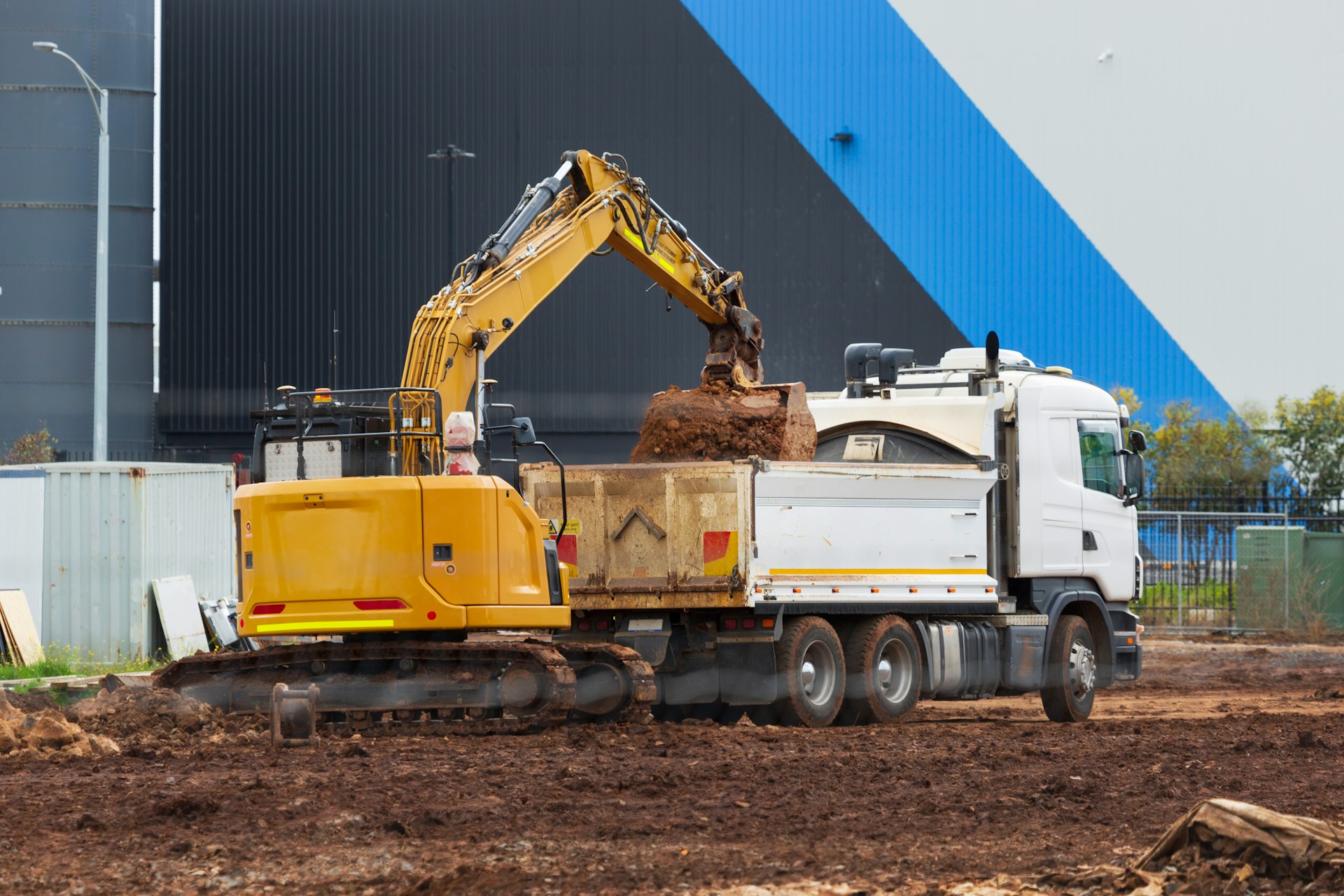
Photo by Troy Mortier on Unsplash
To further discuss the impacts that DEC’s Part 375 updates will have on your operations, contact Walden’s knowledgeable staff at 516-744-5863.