
Biennial Reports for LQGs due March 1, 2026
If you are a Large Quantity Generator (LQG) of hazardous waste in Connecticut, it is time to begin preparing your biennial report, as the March 1 deadline is quickly approaching.
The Connecticut Department of Energy and Environmental Protection (CT DEEP) requires biennial reports from all facilities that operated as LQGs during the previous calendar year. This requirement is often overlooked, particularly by facilities that do not routinely operate as LQGs year-round.
Who Is Required to Submit a Biennial Report?
A hazardous waste biennial report is required if a facility operated as a LQG during any month in the previous calendar year.
A facility is considered a LQG if any one of the following occurred in a single month:
- Generated 1,000 kilograms (2,200 pounds) or more of hazardous waste per calendar month; or
- Accumulated more than 1,000 kilograms (2,200 pounds) of hazardous waste at any one time; or
- Generated more than 1 kilogram (2 pounds) of acute hazardous waste per calendar month; or
- Accumulated more than 1 kilogram (2 pounds) of acute hazardous waste at any one time
For a typical liquid waste, 1,000 kilograms (2,200 pounds) equals about five 55-gallon drums. For more dense wastes, such as solids and sludges, 1,000 kilograms can be much less than five 55-gallon drums.
Note: Certain wastes (such as Universal Wastes) are not counted towards the quantity limits specified above.
Sometimes, facilities perform a one-time task that may trigger biennial reporting, such as:
- Cleanouts or decommissioning projects
- Major waste disposal events
- Remediation or maintenance activities
If hazardous waste generation exceeded LQG thresholds during any of these (or similar) activities, a biennial report is required.
The CT DEEP provides guidance to determine your hazardous waste generator category for those that are unsure.
Biennial Report Exceptions
For the 2025 reporting year, CT DEEP has clarified that hazardous waste shipped directly outside the United States (e.g., direct shipments to Canada) should not be included in the biennial report. However, hazardous waste shipped to U.S. facilities that later exported the waste out of the country should still be included.
How to Submit the Biennial Report
Biennial reports must be submitted electronically through the Environmental Protection Agency’s (EPA’s) RCRAInfo Sign In page.
Facilities should review their hazardous waste manifests and monthly generation records now to prepare for the March 1 deadline.
How Walden Can Help
Walden works with many facilities to determine whether biennial reporting applies and to support accurate and timely submittals. Walden can assist with:
- Evaluating your generator status
- Reviewing hazardous waste manifests
- Preparing and submitting biennial reports
- Other RCRA compliance and training
If you are unsure whether your facility triggered LQG status during 2025 or if you would like assistance preparing your report, Walden can help. Contact our Environmental Health and Safety (EHS) team at 860-846-4069 to discuss your needs today. To learn more about hazardous waste management best practices, read our previous blog here.
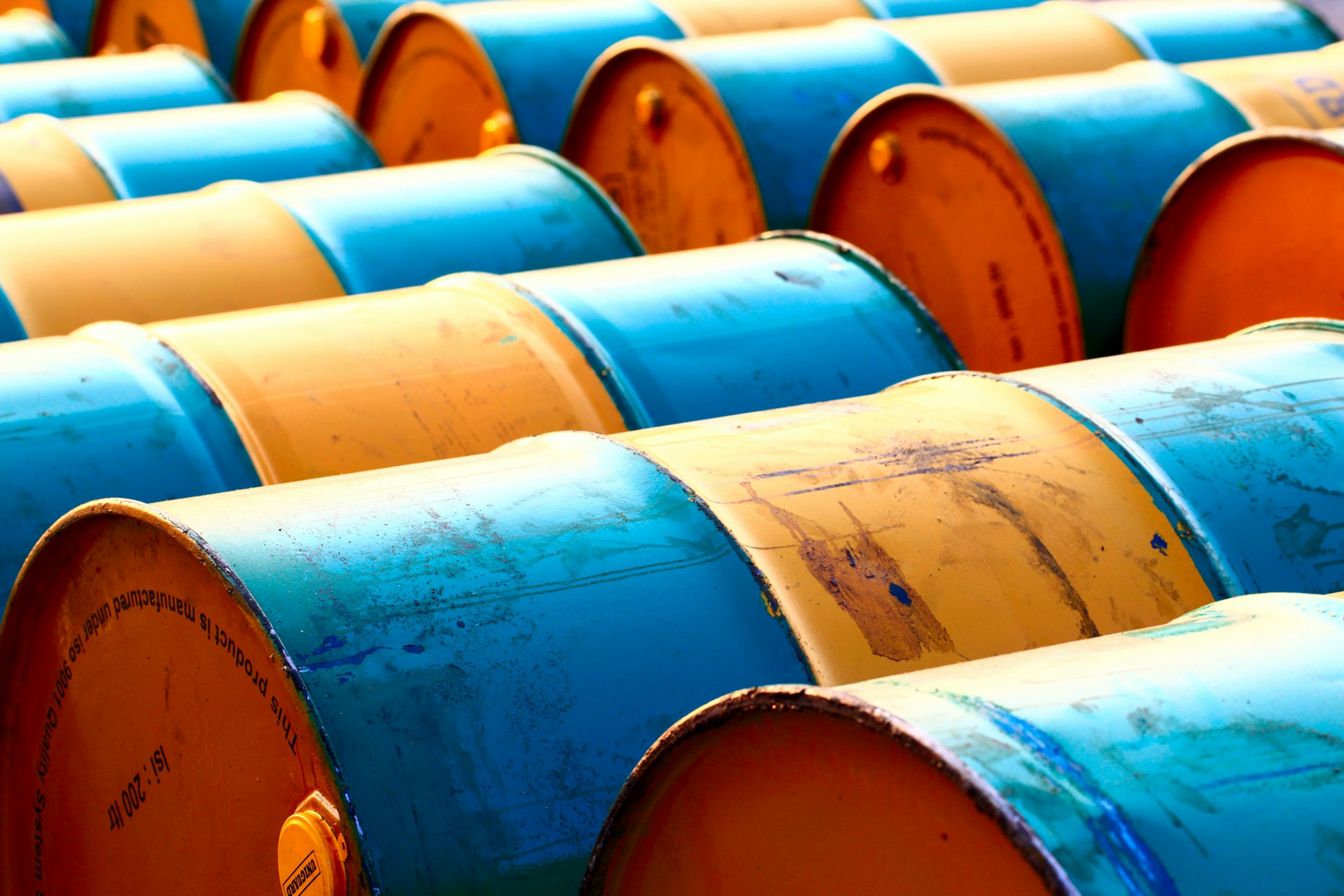
Photo by Atik sulianami on Unsplash
Contact Walden’s Environmental Health and Safety team at 860-846-4069 for help determining your generator status and/or filing your biennial report on time.