
Bloodborne Pathogens in Manufacturing Environments
When most people think of bloodborne pathogen (BBP) exposure, they picture hospitals or medical labs, but the risk extends far beyond healthcare. Exposure to BBPs can happen pretty much anywhere. Manufacturing environments specifically, especially those involving machinery and sharp tools, have a high potential for exposure. That’s why it’s important for employees and business owners to understand the basics of BBPs, how to respond to incidents, and how to manage associated waste.
What Are Bloodborne Pathogens?
Bloodborne pathogens are infectious microorganisms in human blood that can cause disease in humans. The most common are Hepatitis B (HBV), Hepatitis C (HCV), and Human Immunodeficiency Virus (HIV). Workers may be exposed through needlesticks, cuts from sharp objects, or by administering first aid/CPR.
What To Do When an Employee Is Exposed?
While needlestick injuries/exposures are most prevalent in the healthcare industry, similar injuries can happen in manufacturing. Think of improperly disposed of sharps in a first aid kit or maintenance employees handling used blades. The Occupational Safety and Health Administration (OSHA) requires any needlestick or sharps injury to be recorded on the OSHA 300 log as an injury involving a contaminated sharp object. Employers must also investigate the cause and take corrective actions to prevent recurrence. Timely reporting is key, not only for OSHA compliance, but for employee health and post-exposure care.
If an employee is exposed to blood or other potentially infectious materials (OPIM), it is important to seek care as soon as possible. Here’s what employers and employees should do immediately after an exposure incident:
1. Perform First Aid
Expose the affected area and wash thoroughly with soap and warm water without scrubbing the wound harshly. If the eyes are exposed, rinse with clean water or saline for at least 15 minutes.
2. Report the Incident and Document the Exposure
A supervisor or designated safety/EHS personnel should be notified of the injury/exposure as soon as possible. Upper management should promptly launch an incident investigation and ensure that the source individual (if known) is identified for potential testing, in accordance with applicable privacy laws and medical guidelines. The employer must document how the incident occurred, the route of exposure, and any contributing factors. Remember to keep records confidential and maintain them in accordance with OSHA’s Bloodborne Pathogens Standard.
3. Seek Medical Evaluation Within 1–2 Hours
Exposed employees should be evaluated at a clinic or by a licensed healthcare provider immediately, ideally within two hours of exposure. The healthcare provider will assess the risk and determine whether post-exposure prophylaxis (PEP) is appropriate (especially for HIV or Hepatitis B exposure). The employee may also be required to receive baseline blood tests and follow-up testing over several months.
4. Investigate and Take Corrective Action
As a follow up to the incident investigation, a root cause analysis must be conducted. Was PPE missing? Were procedures unclear? Did someone fail to follow protocol? Determining the root cause of the exposure will help implement proper corrective actions such as retraining or improving safety protocols to prevent future occurrences. A review of the company’s exposure control plan (ECP) should be performed as well so that revisions can be made if needed.
How To Handle Biohazard Waste
In manufacturing, biohazard waste might include soiled bandages, used gloves, gauze, or any items saturated with blood or OPIM. These materials must be disposed of in labeled, closable, leak-proof containers marked with the universal biohazard symbol (or labeled “Biohazard”). Employees handling this waste should be trained and provided with appropriate personal protective equipment (PPE). Waste should be removed by a licensed medical waste hauler and never disposed of with general trash.
If one of your employees is at risk or has been exposed to bloodborne pathogens, Walden can assist with risk mitigation, follow-up care, and OSHA reporting. Contact us at 860-846-4069 to speak with one of our EHS specialists today.
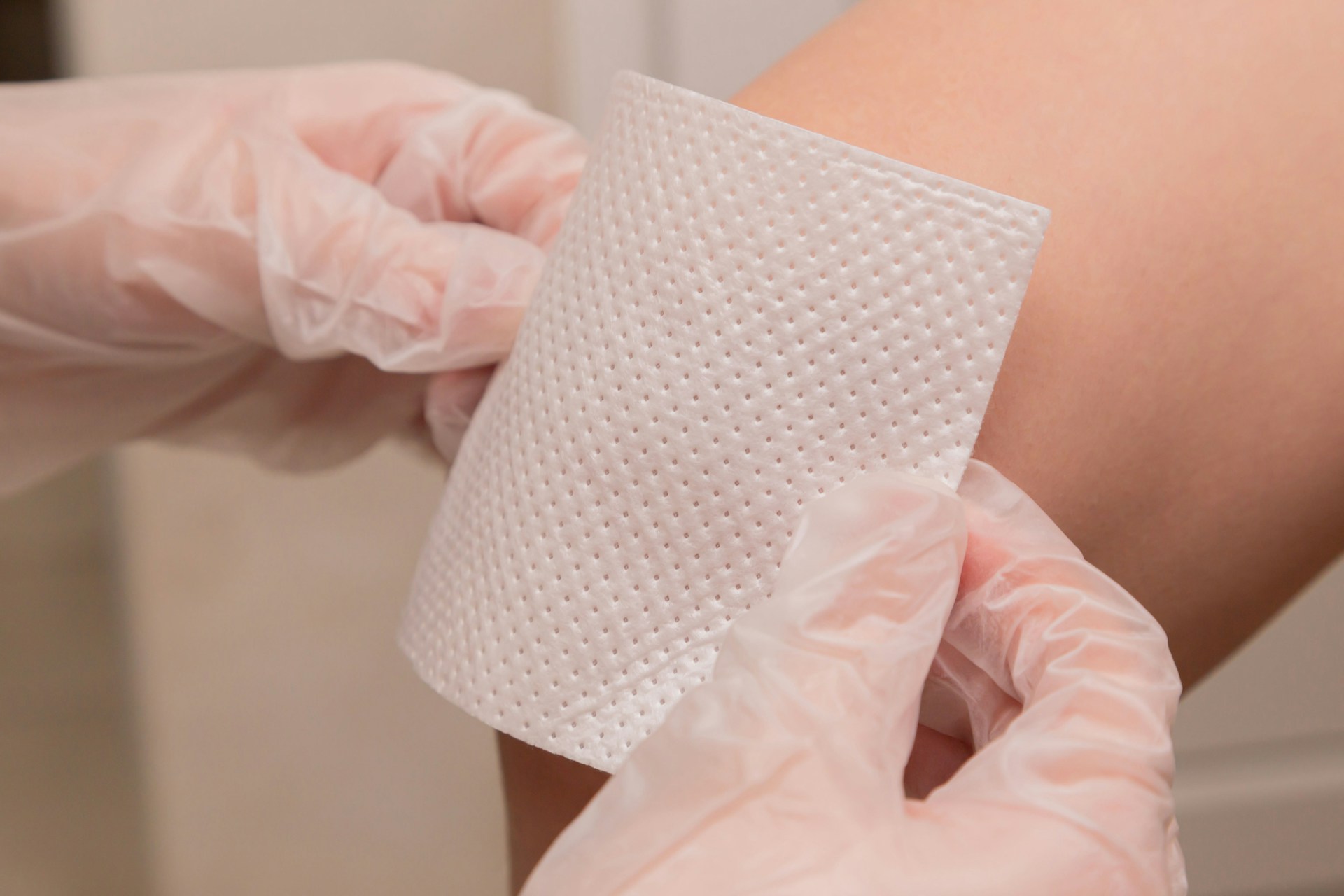
Photo by Diana Polekhina on Unsplash
Walden’s EHS team can help you prepare for potential BBP exposure incidents at your manufacturing facility. Contact us at 860-846-4069 to discuss your needs with a consultant today!