Benefits of Facilities that Compost Organic Material
Why Compost Organic Material?
Composting is the process of recycling organic material, such as food waste or yard trimming waste (like leaves and grass), into a beneficial material. Creating compost, rather than just disposing of organic material, helps to reduce the amount of organic waste that ends up in landfills and its associated methane production – which is a hazard and a major contributor to air pollution.
It is important to note that in the same way that organic waste decomposing in landfills can contribute to gas production, organic waste that is composted also goes through a break down process that can lead to the production of gases with foul odors that are emitted to the atmosphere.
Benefits of Compost Material for Soil
Aside from removing organic material from the waste stream, composting also generates a material that is beneficial to soil health and plant growth. Compost produced from recycled organic materials can be used as a soil amendment to improve soil structure, nutrient content and retention, and water retention.
Commercial topsoil is a beneficial material that can be produced with the incorporation of compost materials. Commercial topsoil, as well as soil amended on-site with compost in agricultural settings, landscaping, or gardens, needs less added chemical fertilizers and pesticides and allows for the conservation of water (since the resultant soil holds on to more water). Adding compost to soil therefore helps the soil produce heathier plants and increases the yield of plants grown within. Amended soil is also less likely to blow away as dust or otherwise erode.
Is Composting Organic Material Regulated?
Composting is often regulated by various levels of the government (federal, state, and local) for larger commercial operations to manage potential impacts to the environment and surrounding community, as well as to ensure safe facility operations. Composting is a process that needs to be properly managed so that nuisances, such as foul odors, are not produced. In New York State, composting is regulated through the New York State Department of Environmental Conservation (NYSDEC) Part 360 and 361 solid waste management facility regulations.
Walden has experience assisting composting facilities with managing their organic materials and can help your facility with regulatory compliance, permitting, waste reduction and processing efficiency, and implementing best management practices. Walden has also worked with facilities on preventing and resolving potential regulatory violations and fines. If you need help with compost odor management, contact our solid waste experts at 516-604-5684.
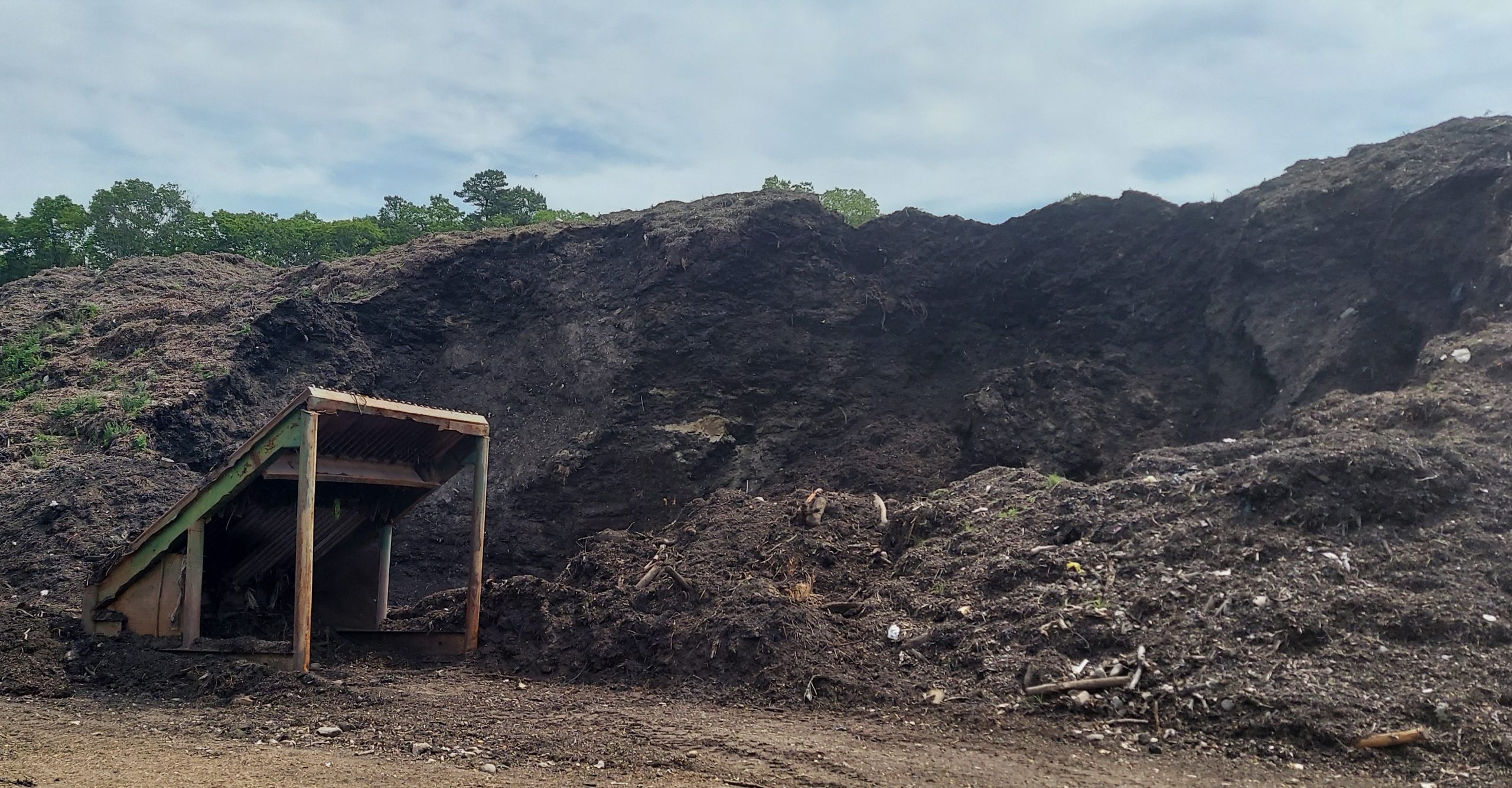
Contact Walden’s solid waste team at 516-604-5684 for help ensuring that your composting facility is in compliance with all applicable regulations.