
OSHA’s Updated Site-Specific Targeting Inspection Plan: What Non-Construction Employers Need to Know
On May 20, 2025, the Occupational Safety and Health Administration (OSHA) implemented a revised Site-Specific Targeting (SST) inspection program, focusing on non-construction establishments with 20 or more employees. This update aims to direct OSHA’s attention toward workplaces with the highest injury and illness rates, ensuring safer work environments across various industries.
Key Changes in the 2025 SST Directive
The updated SST program utilizes employer-submitted injury and illness data from OSHA Form 300A for calendar years 2021 through 2023. Establishments may be selected for inspection based on the following criteria:
- High Injury and Illness Rates: Workplaces with elevated Days Away, Restricted, or Transferred (DART) rates in 2023.
- Upward Trends: Establishments showing increasing DART rates over the three-year period, particularly those that exceeded 2x the 2022 private sector national average (this can be found on the Bureau of Labor Statistics website).
- Low Rates: Random sampling of establishments with unusually low DART rates to verify data accuracy.
- Non-Responders: Employers who failed to submit the required 2023 Form 300A data.
These criteria seek to identify and inspect facilities that may pose higher risks to worker safety or have inconsistencies in reporting.
Implications for Employers
Employers should be aware that SST inspections are quite comprehensive in scope. Compliance Safety and Health Officers (CSHOs) will assess potential hazards throughout the facility, with particular attention to areas where injuries or illnesses have been reported.
To prepare, employers should ensure their injury and illness records are accurately maintained and submitted on time. It’s also good practice to review and strengthen existing safety and health programs, making sure they effectively address any identified risks. Conducting internal audits and proactively addressing compliance gaps can go a long way in ensuring readiness for a potential inspection, as well as providing some peace of mind.
An important note: establishments participating in OSHA’s Voluntary Protection Programs (VPP) or Safety and Health Achievement Recognition Program (SHARP) may be exempt from programmed inspections during their participation periods.
Conclusion
OSHA’s revised SST inspection program highlights the agency’s commitment to proactive enforcement based on data-driven insights. Non-construction employers should take this opportunity to assess their safety practices, ensure accurate recordkeeping, and prepare for a potential inspection under the updated SST program.
For more detailed information on the updated SST program, refer to OSHA’s official directive: CPL 02-01-067. If you need help with a gap or pre-OSHA audit, safety program development, training, or other EHS services, contact Walden at 860-846-4069.
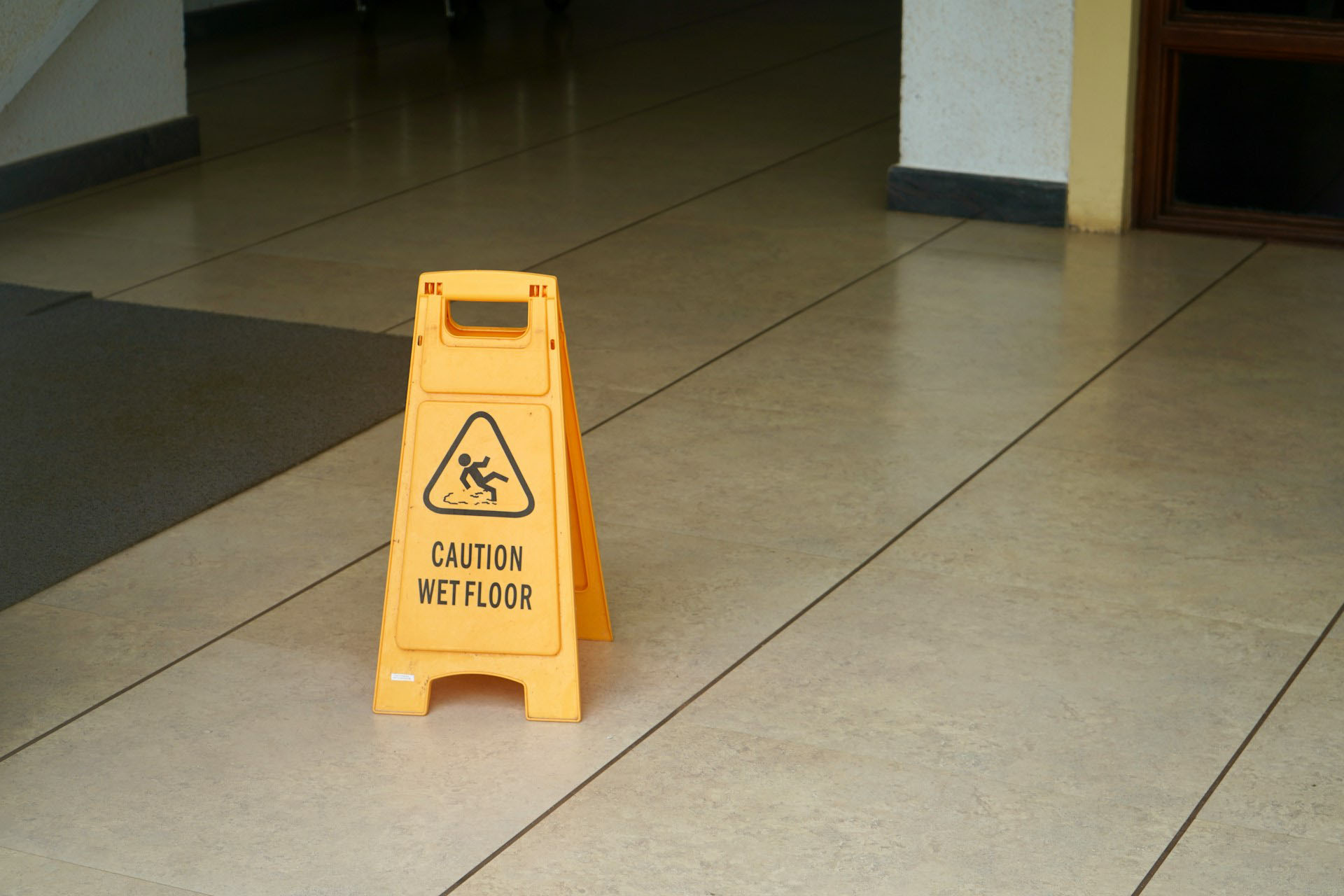
Photo by Praveen Thirumurugan on Unsplash
Give Walden’s EHS team a call at 860-846-4069 to speak with a specialist about preparing for inspections.