
Staying Safe and Sound at Work
Today marks the start of Safe + Sound Week 2025! OSHA holds its Safe + Sound Campaign annually in August. The purpose of this week is to remind us of the importance of workplace safety and health programs – which should promote employee engagement throughout the process of identifying and fixing hazards.
Workplace injuries can be both physically and financially devastating. When companies invest in safety, they are likely to see reduced downtime, workers compensation claims, and employee turnover. This investment also fosters employee trust and teamwork, which boosts morale and increases productivity.
OSHA encourages company participation and engagement during Safe + Sound Week through the following:
Management Leadership
- Take 3 in 30 – Managers commit to take three safety actions in 30 days
- Lead With Safety – Identify safety or health hazards and take steps to address them
- Champion Safety – Recognize and reward team members who take the lead with safety
- Hazard Huddle – Hold a conversation with your team about the hazards they face and use the information to implement controls or perform a JHA
- Crisis Communication – Perform an emergency drill to test your communication systems
Worker Participation
- Speak Up for Safety – Review safety reports with your team
- Safety Is Our Right – Have a discussion with your team about workers’ rights under OSHA
- Response Ready Workplace – Have workers review and improve your emergency response plan
Find and Fix
- Check on Safety – Review past incidents and make a plan to implement lasting changes to control hazards
- Eyes on Safety – Conduct a safety walkaround/inspection to identify and correct hazards
- Halt a Hazard – Identify one hazard to control, and engage multiple team members to use the hierarchy of controls to find the most effective and sustainable solution
- Safety Shuffle – Have teammates observe work or work in another department to identify hazards that may be missed by those who work there
- Find 4 – If you choose to have a sand table exercise instead of an emergency drill, you can ask each person to find the following:
- Emergency exits (one clearly marked, one alternate)
- Obstacles to evacuation (blocked exits, obstructed paths, missing exit signs)
- Helpful resources (fire extinguisher, first aid kit, eye wash station, AED)
- Assembly points (evacuation or shelter)
To participate in this year’s Safe + Sound Week, select at least one action in each of the three categories above to promote safety in your workplace.
Building Your Safety Culture
A strong safety culture is everyone’s responsibility, but it begins at the top. When management leads by example – through wearing the same PPE as everyone else, conducting routine safety audits, attending toolbox talks, and promoting safety by implementing continuous improvements – it pays off. Management should communicate openly, engaging with employees to find hazards and committing to fix the hazards. Workers are the experts in the processes and the hazards faced. Use this expertise to identify and correct hazards before they cause injury.
Whether your company is a recognized leader in safety or you are just starting your safety journey, these core elements can help you to build a stronger safety culture in your workplace. Stay alert and keep safety as a core value of your company.
If you need help building out safety programs, inspections, or other systems so your company can lead by example, please reach out to Walden’s experienced EHS consultants at 860-846-4069.
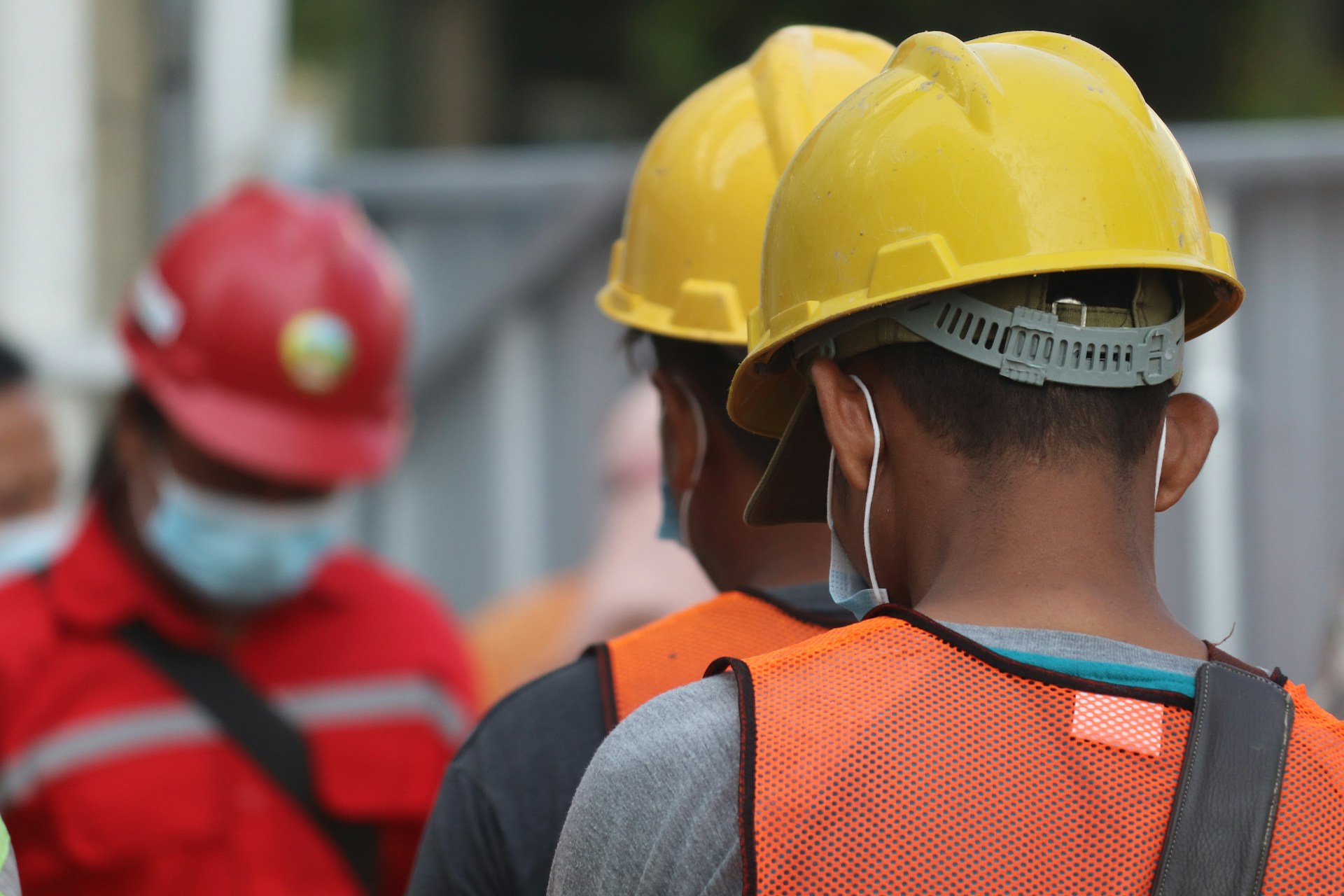
Photo by Mufid Majnun on Unsplash