NYSDEC’s Landfill Leachate Reduction Rulemaking
Background
The New York State Department of Environmental Conservation (NYSDEC) regulates solid waste management facilities, including landfills, throughout the state. Everyday refuse is disposed of in municipal solid waste (MSW) landfills.
At landfills, liquid exits from the landfill mounds. This liquid, defined as leachate, is generated from rainwater that percolates through the landfill, decomposition of organic wastes, or water from the disposed waste. To protect the environment, leachate must be collected at landfill sites so that it does not contaminate the underlying groundwater.
Landfill leachate is most commonly managed at industrial wastewater treatment plants or municipal water resource recovery facilities (WRRFs). However, these facilities are not always equipped to remove certain environmental contaminants, such as per- and polyfluoroalkyl substances (PFAS) and heavy metals, from the leachate that they receive.
To address this issue, NYSDEC has started the process of rulemaking for new regulations that (after a significant transition period) will require landfills to install equipment that will reduce generated leachate by 99.9% post collection using treatment technologies. Pretreating leachate in this way, before it is sent to the WRRFs, will help prevent chemicals from contaminating our drinking water.
Rulemaking Considerations
The overall goal of this rulemaking is to remove chemicals from leachate at landfills, before the leachate is sent on to a WRRF. To achieve this, NYSDEC will require that new technologies are implemented at MSW landfills and construction and demolition debris (CDD) landfills. These new technologies will require landfills to treat leachate on site. The treatment will result in a 99.9% reduction in the volume of leachate.
Another goal of these rulemaking considerations is to promote clean water and a healthy environment. By making landfill facilities responsible for treating leachate before delivery to an industrial wastewater treatment plant, WRRF, or other authorized discharge location, leachate can be treated at the source. This will reduce environmental exposure and minimize the risk that “forever chemicals” are discharged into drinking water sources.
How Businesses Will Be Affected
Through the issuance of these rulemaking considerations, any MSW and CDD landfill that generates leachate will be required to treat that leachate either on-site or at another Part 360 permitted leachate treatment facility. There is some flexibility proposed regarding where that treatment can occur.
Funding Opportunities
Depending on factors such as approach, technology, and volume of leachate to be treated, municipalities may be eligible for funding through the Bipartisan Infrastructure Law (BIL) grant funding program, which addresses emerging contaminants in wastewater, stormwater, and nonpoint source pollution. This funding program is available for planning, design, and construction activities; however, eligibility varies. Check out this EPA fact sheet to determine whether your municipality is eligible for funding through the BIL grant funding program.
Walden Is Here to Help
DEC has stated that the draft rulemaking package is under internal review. Walden’s team of Part 360 experts can help you evaluate how these rulemaking considerations will affect your business and any environmental programs you are involved with. Contact us today at 516-604-5684 to find out more about our Part 360 services.
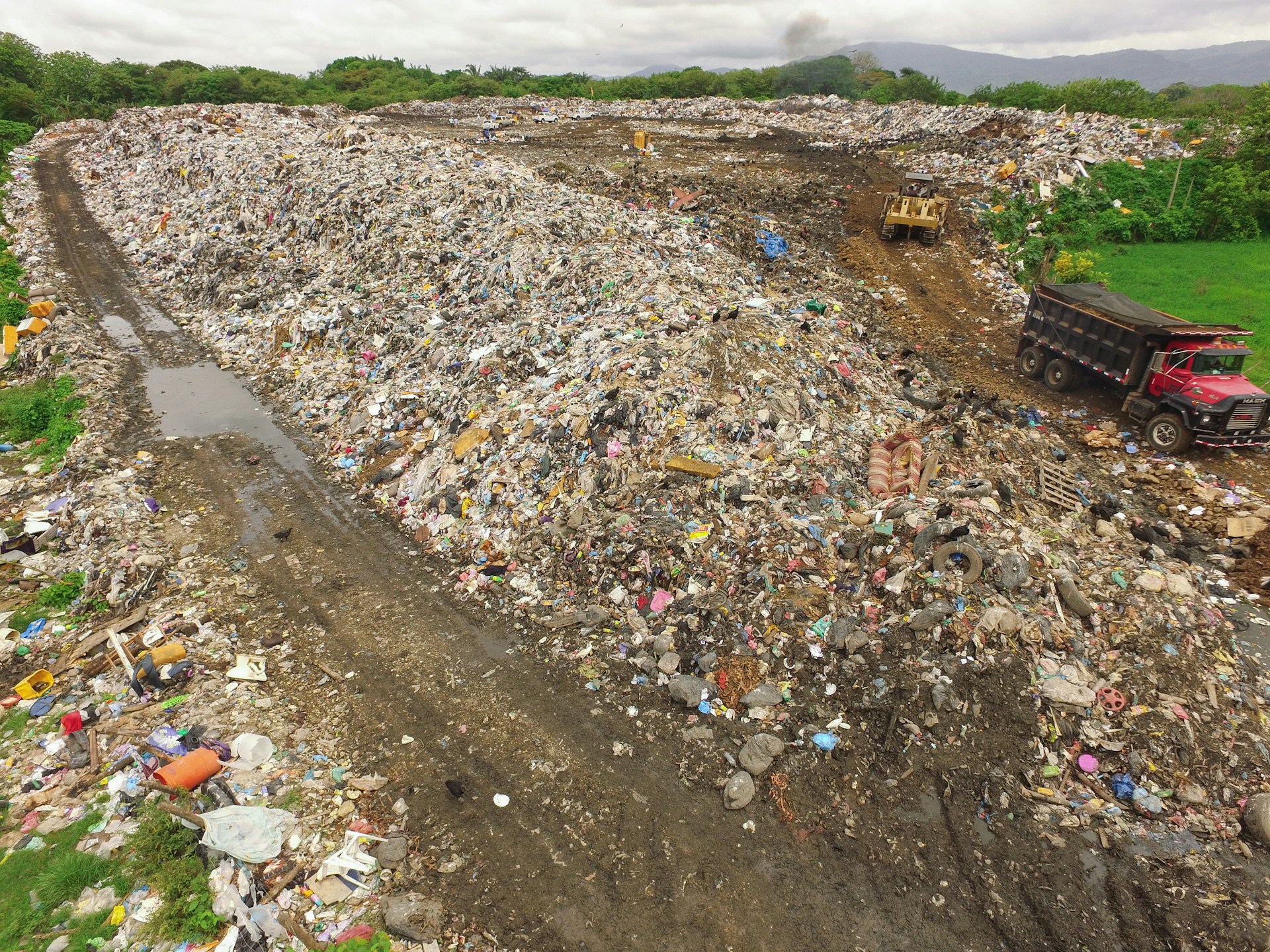
Photo by vianet ramos on Unsplash
To learn more about Walden’s solid waste management and water quality services, contact us at 516-604-5684.