
Current Safety Data Sheets (SDSs) Required at Facilities That Store Hazardous Substances
Annual Right-to-Know Tier II Reports
As the March 1 deadline to file annual Right-to-Know (RTK) Tier II Reports is approaching, now is a good time for businesses and facilities that handle and store chemicals/hazardous substances to ensure that Safety Data Sheets (SDSs) for those hazardous substances are up to date.
SDSs are required to be filed with the hazardous substance inventory for a business or facility as part of annual Tier II Reports in accord with the Emergency Planning and Community Right to Know Act (EPCRA).
Local Community Emergency Response
It’s important to note that at the state or local level, additional regulations may also apply for annual Tier II reporting and associated SDSs. For example, the Community Right-to-Know Law [Local Law 26 of 1988] applies in New York City (NYC), in which case annual reports with current SDSs should be filed with the NYC Department of Environmental Protection (DEP). Current copies of SDSs and/or annual report copies may also need to be submitted directly to local agencies, such as Fire Departments, for emergency response preparedness.
OSHA Hazard Communication Compliance
Having current SDSs at your facility is not only important for annual Tier II Reports, but also to remain in compliance with OSHA (Occupational Safety and Health Administration) Hazard Communication (HazCom) requirements. In accord with OSHA HazCom requirements, a business or facility that handles or stores chemicals must have current versions of SDSs available at that workplace for all chemicals handled or stored.
Why Is It Important to Have Current SDSs?
Having current SDSs on hand ensures that the potential hazards are understood for the chemicals being utilized or stored in a workplace.
SDSs should be checked and updated regularly since chemical mixtures in a product may change over time. If a facility stores the same chemical for a long period of time, SDSs on file at a facility should be checked periodically to make sure the most up-to-date information and format is provided for worker safety.
How Do I Know if I Have Current SDSs?
SDSs should be dated with the last time they were updated. If there is no date or an SDS is several years old, especially if it is dated prior to 2012, you should obtain an updated SDS.
Current SDSs should follow the 16-part Global Harmonized System (GHS) format, adopted by OSHA in 2012, which contains the following sections:
- Product Identification Information;
- Hazard Identification Information;
- Product Composition;
- First Aid Measures;
- Fire-Fighting Measures;
- Accidental Release Measures;
- Handling and Storage Information;
- Exposure Controls and Personal Protection Information;
- Physical and Chemical Property Information;
- Stability and Reactivity Information;
- Toxicology Information;
- Ecological Impact Information;
- Disposal Considerations;
- Transport and Shipping Information;
- Regulatory Information; and
- Other Information
Sections 12-15 (italicized) are not mandatory, but may still be included.
How Do I Get Updated SDSs?
It is good practice to check for updated SDSs with any shipments of chemicals/products when they are received, and if they are not provided, request them from the supplier or manufacturer.
If your facility receives bulk shipments of chemicals, it is likely that up-to-date SDSs will be included in those shipments. If they are not, you can either go to the manufacturer website and search for the SDS for a specific chemical/product, or you can call the manufacturer directly.
Manufacturers, importers, and distributors of hazardous chemicals are required by law to provide SDSs upon request.
What Should I Do With the Old MSDSs/SDSs?
Old Material Safety Data Sheets (MSDSs)/SDSs should still be kept at your facility, as required by OSHA. MSDSs and SDSs are considered “employee exposure records” and are required to be maintained for at least 30 years.
Work With Walden on Your 2025 Filing!
Walden’s team of Right-to-Know experts can help you compile safety data sheets for all hazardous chemicals stored at your facility. We can also complete your Tier II Report and submit it to all applicable regulatory agencies, no matter if you are located within NYC or outside the five boroughs (for example, you can learn more about filing a Tier II Report in Connecticut here and in Suffolk County here).
Contact us at 516-407-7047 to learn more about Safety Data Sheet requirements or to get started on your 2025 Tier II reporting today!
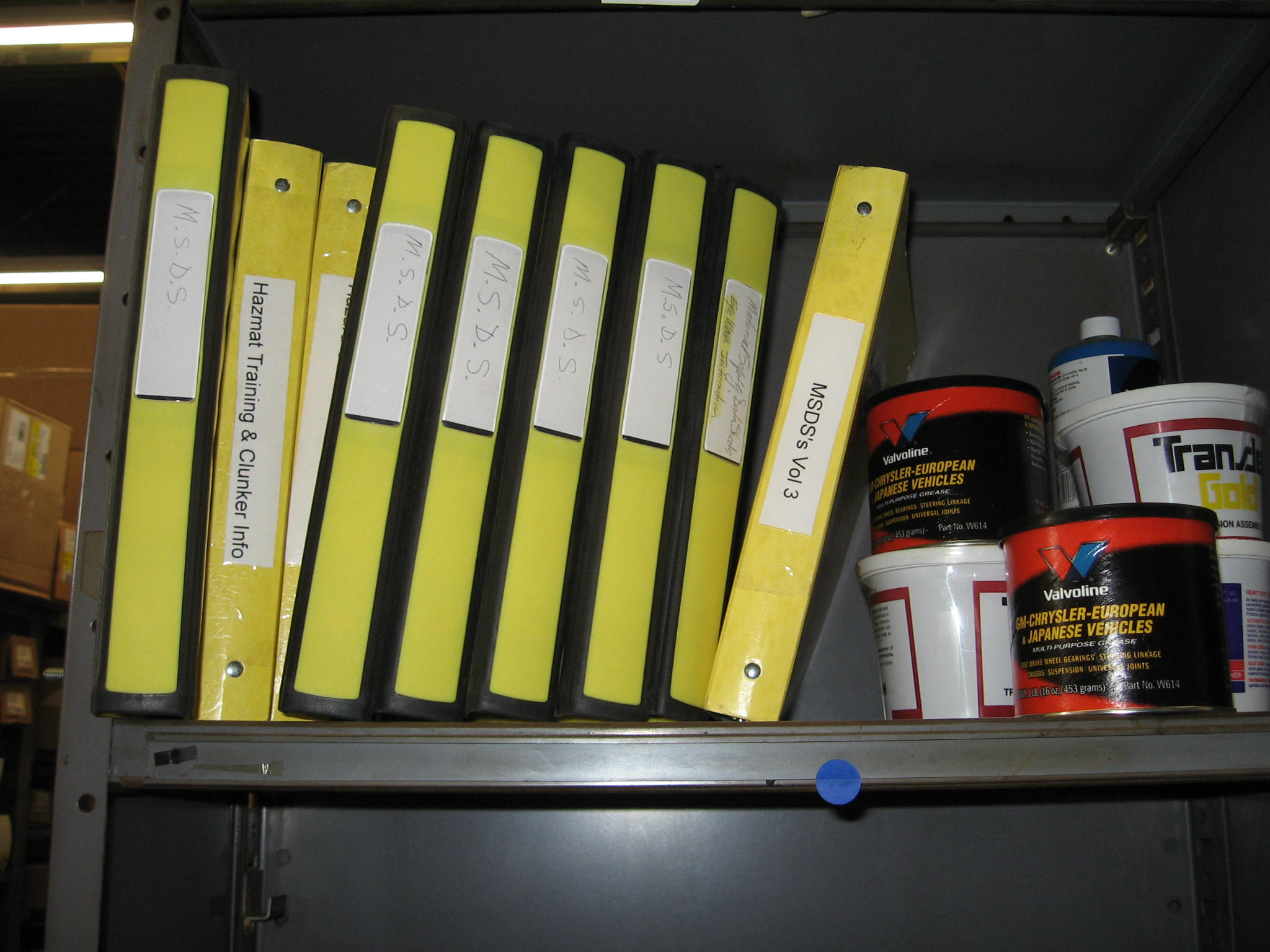
Contact Walden at 516-407-7047 for help taking stock of your Safety Data Sheets and ensuring that they are up-to-date!