
New York State Flood Regulations Expanded
At the end of 2025, the New York State (NYS) Uniform Fire Prevention and Building Code was revised to reflect updated flood regulation changes. These changes have expanded the requirements, which now extend to include the 500-year floodplain and sea level rise considerations.
These updates to flood regulations are intended to improve flood resilience and better account for future conditions. The changes may impact how future projects are designed, permitted, and constructed across the State of New York.
What Has Changed?
Before these updates, flood regulations focused on the 100-year floodplain, or in areas with a 1% chance of flooding each year. The Uniform Fire Prevention and Building Code has now expanded to include the 500-year floodplain, which represents areas at a lower risk of flooding, often mapped as Zone B or Zone X (shaded) on the FEMA Flood Insurance Rate Maps.
These changes will result in the following:
- More properties may now fall within regulated flood zones.
- Projects located in low-risk flood areas may now require design and elevation requirements.
- Flood risk evaluations will be considered at a broader range of conditions.
A new term, Required Flood Elevation (RFE), was introduced in the Uniform Fire Prevention and Building Code. This new term is defined as the greater of one of the following:
- The base flood elevation (BFE) plus two (2) feet of freeboard, or
- The BFE plus additional elevation allowance (18 inches) for coastal and tidal areas, or
- The applicable mapped flood elevation.
The introduced RFE calculation means that projects, such as buildings, may need to be constructed at higher elevations than they were allowed to in the past. This is to provide an added margin of safety against flooding. Especially for projects located in coastal and tidal areas, the inclusion of sea level rise in flood design requirements is intended to improve resilience and account for future conditions.
What This Means for Projects
These changes to the NYS Uniform Fire Prevention and Building Code signify a more thorough approach to floodplain management. Sites that were previously outside of the regulated flood zones may now require additional analysis and/or design considerations.
Given these revisions, evaluation of flood risk and regulatory requirements is more important than it was before. Understanding whether a property falls within the 100-year or 500-year floodplain and how RFE and sea level rise apply can help avoid delays during permitting and construction.
How Walden Can Help
For guidance on how these updated NYS flood regulations may impact your project, our team can help you determine applicable elevation and design requirements. Contact us at 516-559-6976 for assistance, and download our floodplain management guide to learn more about protecting your property from flooding.
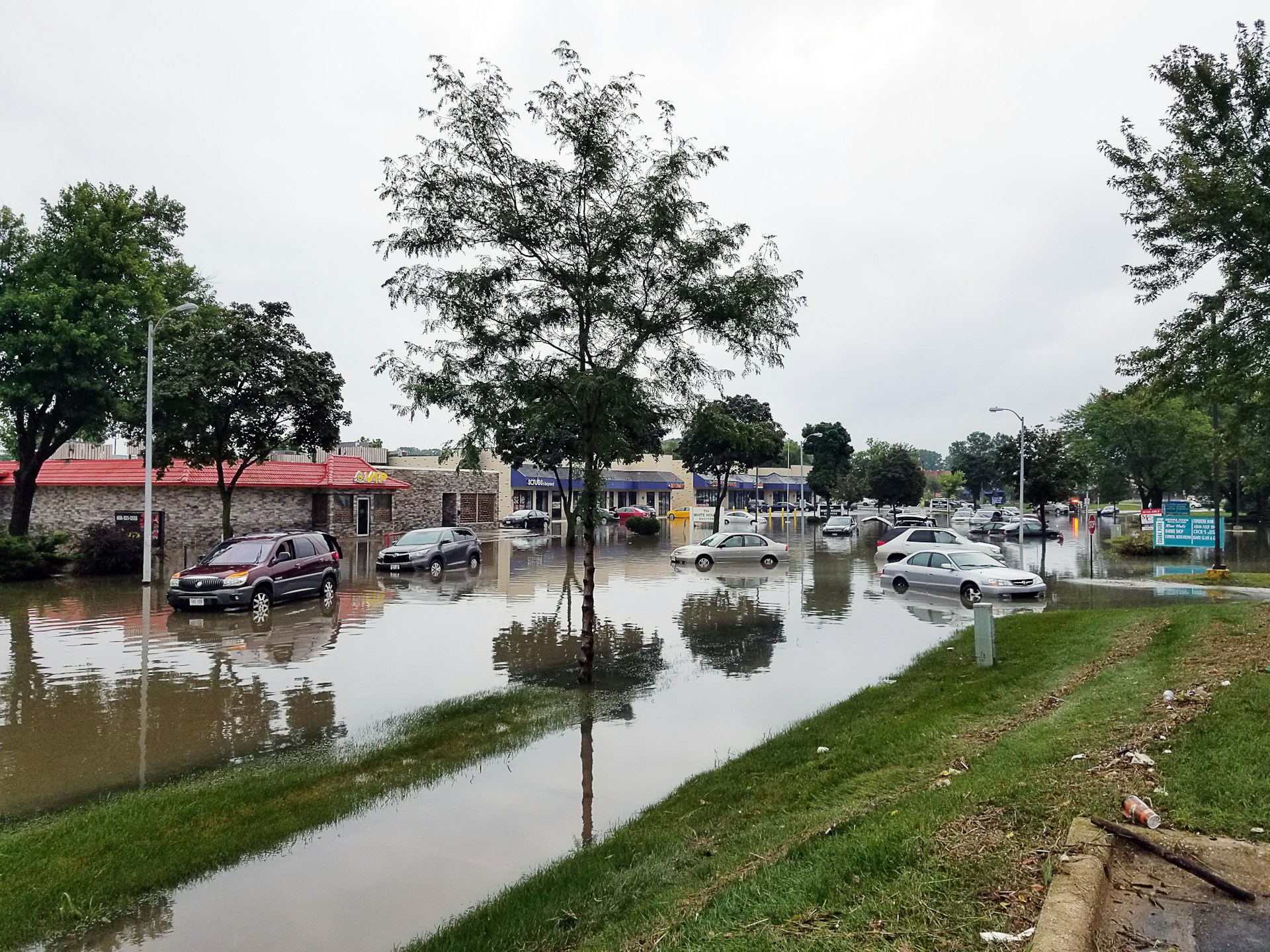
Photo by jim gade on Unsplash
Contact Walden at 516-559-6976 to speak with a knowledgeable consultant about flood risk evaluation and regulatory compliance.