Wetlands 101: The Benefits of a Wetland Delineation
As engineers and scientists based on Long Island, Walden’s consultants have ample experience helping clients manage wetland habitats located either on or in proximity to their properties. Wetlands are critical to the health and stability of local ecosystems, and they play a crucial role in protecting our shores from the impacts of storm surge.
Wetlands also happen to be some of the most fragile and easily damaged ecosystems on the planet. This has led to the imposition of broad regulations on permitted activities in and adjacent to wetland habitats across the United States. If you (as a land owner or someone performing activities on a parcel of land with nearby wetlands) want to know if these regulations apply to you, a wetland delineation may be needed.
What is a wetland delineation?
A wetland delineation is simply the process of finding the precise border between wetland and upland on a given parcel of land. The border is commonly marked off with brightly colored flagging, which is typically hung on vegetation or placed on stakes driven into the ground.
The location in which a qualified wetland delineator places each flag depends on a number of factors, such as vegetation present, soil type, and hydrologic indicators. The data utilized for a delineation also changes depending on what state the delineation is occurring in. For the purposes of this blog, we will examine the process for wetland delineations in New York State, as these utilize all three factors mentioned previously.
In New York, a wetland delineation includes:
- Identification of plants in the immediate area
- Digging soil pits to check for hydric soils
- Observing for evidence of frequent flooding
Delineators conduct these tasks in order to check for the necessary factors (vegetation present, soil type, and hydrologic indicators) that determine whether an area is wetland. Two out of the three factors must be observed for classification as a wetland; if only one is present, this indicates that the land is considered upland.
Once the delineator finds the point at which wetland transitions to upland, they will place a flag, collect GPS coordinates for the flag, and then continue along the border to place the next flag.
Why would you need a delineation?
Obtaining an accurate location of where a wetland begins/ends in relation to your property, or the activities you are performing on your property, is critically important to maintaining compliance with wetland protection regulations in New York State and the rest of the country. The presence of a wetland will alter what activities can be performed on a given parcel, and in some cases will require a permit.
Activities that can be impacted by the presence of a wetland include:
- Industrial activity
- Agricultural activity
- Land development
- General construction
In New York State specifically, most activities cannot be done within a wetland or the wetland buffer zone directly adjacent to it without a permit. The size of the wetland buffer zone in New York State varies greatly based upon the status, type, and health of the wetland. Freshwater wetlands have a baseline buffer zone of 100 feet from the boundary, while the buffer zone for tidal wetlands is 75 feet.
I have wetlands on (or adjacent to) my property…what next?
If you are in the position of needing to continue or expand your operations in an area that has wetlands nearby, you may benefit from working with an organization that has certified wetland delineators on staff (such as Walden). A consultant can help to ensure compliance with all wetland regulations, and can also assist you with applying for any wetland permits that may be needed.
If you have any questions about wetland delineation – whether generally or in reference to your site specifically – please don’t hesitate to reach out to Walden. Our wetland team would be happy to take your call and help you navigate the regulations! Contact us today at 516-559-6976.
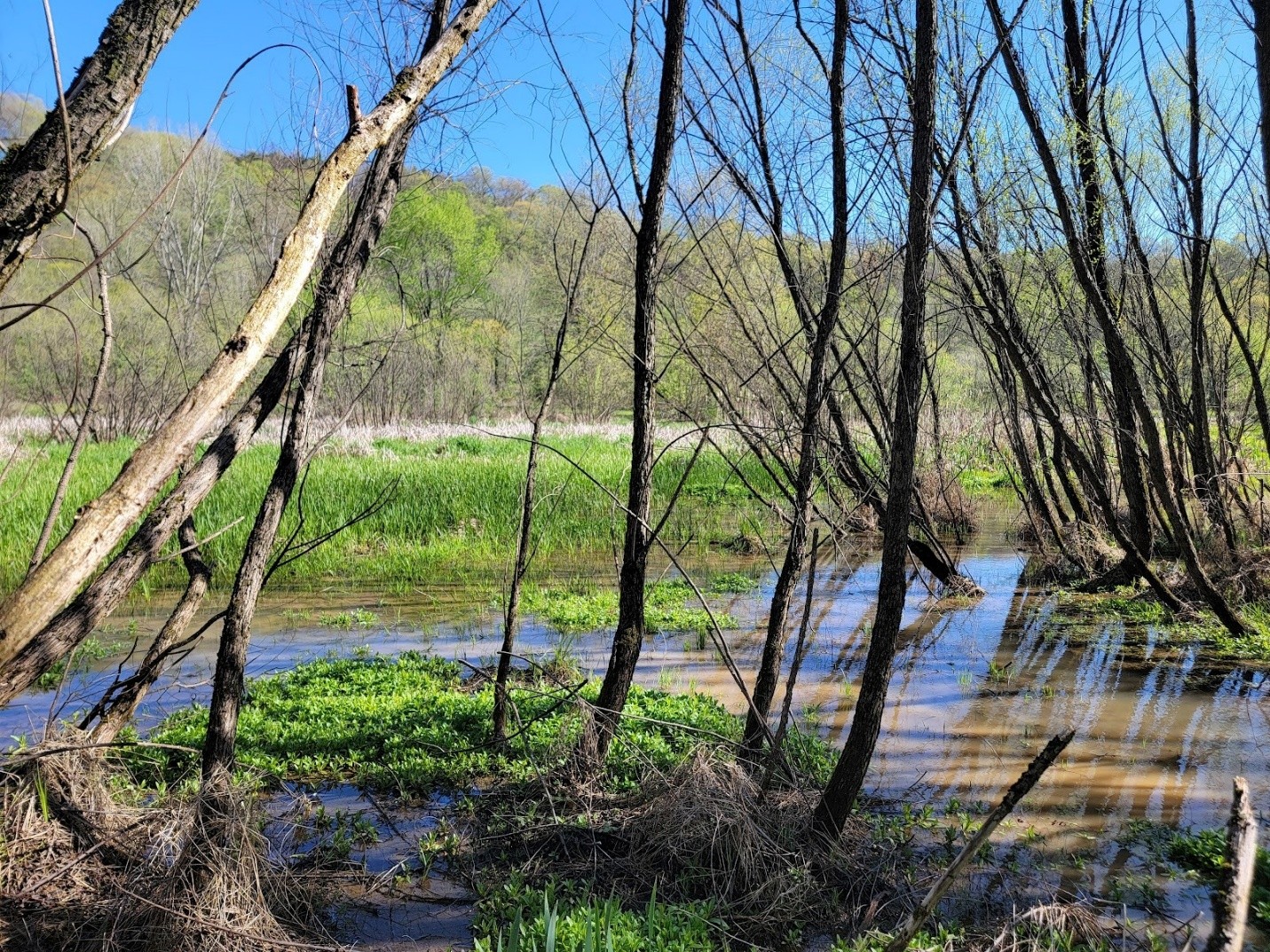
Contact Walden’s wetland team at 516-559-6976 to learn more about the delineation process and/or any permitting requirements that may apply to your property.