
General Permit for the Discharge of Dewatering and Remediation Wastewaters
The Commissioner of the Connecticut Department of Energy and Environmental Protection (DEEP) issued a Notice of Tentative Determination on December 24, 2025, indicating the agency’s intent to renew the General Permit for the Discharge of Dewatering and Remediation Wastewaters (“the General Permit”).
Facilities currently authorized under this permit, as well as those planning to seek coverage, should review the notice to understand how the proposed renewal may affect ongoing compliance obligations.
Interested parties may obtain a copy of the public notice, draft General Permit, and accompanying fact sheet on the DEEP website at www.ct.gov/deep/publicnotices. Public comments on the proposed renewal are due by January 23, 2026. Written comments should be directed to:
Stephen Edwards
Water Permitting and Enforcement Division
Bureau of Materials Management and Compliance Assurance
Department of Energy and Environmental Protection
79 Elm Street
Hartford, CT 06106-5127
Comments may also be submitted via electronic mail to steve.edwards@ct.gov.
Overview
Unlike the Industrial Stormwater General Permit and the Wastewater General Permits (for both SIU and NSIU discharges) recently issued by CT DEEP, the General Permit for Dewatering and Remediation Wastewaters applies to non-stormwater discharges that do not fall under a more specific permitting category.
This General Permit serves as a catch-all authorization for a range of miscellaneous or site-specific non-stormwater discharges of dewatering and remediation wastewaters to surface waters of the State of Connecticut. Discharges that are eligible for coverage under another general permit are not authorized under this permit. Walden recently published a related blog on “The Comprehensive General Permit for Discharges to Surface and Groundwater,” which talks about a different but related permit.
Note: Facilities that discharge both stormwater and non-stormwater may require coverage under multiple permits, depending on the nature of their discharges.
Proposed Changes
Proposed changes to the reissued General Permit include, but are not limited to, the following:
- Authorization to discharge to a publicly owned treatment works (POTW) has been eliminated from this General Permit. Such discharges will instead be authorized under the Significant Industrial User (SIU) General Permit. Facilities are not required to submit a registration for permit coverage for short-term discharges resulting from petroleum underground storage tank (UST) replacement or emergency discharges lasting thirty (30) consecutive days or less.
- Facilities will be required to submit electronic Discharge Monitoring Reports (DMRs) through NetDMR for all discharges lasting longer than thirty (30) days. They must also conduct whole effluent toxicity monitoring for these discharges.
Recommended Next Steps
Facilities that are subject to coverage under this General Permit should consider doing the following:
- Evaluate the proposed changes
- Determine whether current operations rely on this permit
- Note the requirements that may impact facility operations
- Submit public comments by January 23, 2026
- Look out for the issuance of the final permit and further related updates
How Walden Can Help
Walden’s Environmental Health and Safety (EHS) team can help you to navigate the new monitoring and reporting requirements under this General Permit. Contact us today at 860-846-4069 to speak with a knowledgeable consultant about the proposed renewal.
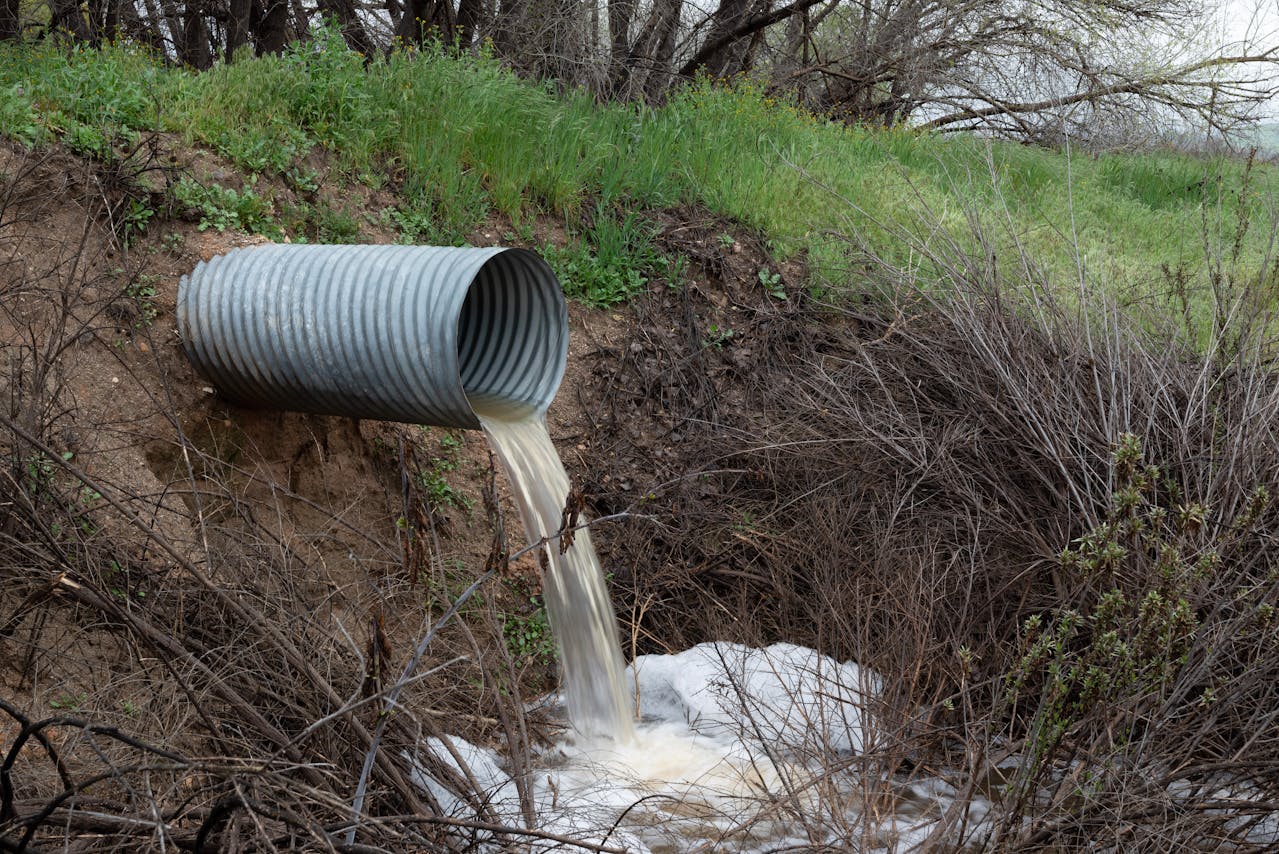
Photo by Joseph Russo: https://www.pexels.com/photo/pipe-with-sewage-15954727/
Contact Walden’s EHS team at 860-846-4069 for help understanding the impact that these regulatory updates may have on your operations.