
Walden Conducts Cook Stove Emissions Testing in NYC
Cook stove emissions testing is becoming a priority for the New York City Department of Environmental Protection (NYCDEP). The testing criteria, last amended in May 2017, aims to reduce particulate matter emissions from smokers, grills, and stoves in New York City restaurants. A recent surge in enforcement activity makes it imperative for existing and soon to be open restaurants to make sure their equipment complies. Walden is well versed in this testing protocol, and is readily available to assist restaurant owners and operators throughout the boroughs.
Before the test can begin, the restaurant must have an electrostatic precipitator (ESP), which reduces particulates from the cook stove. The device works by using electrical energy to negatively or positively charge particles which are then “attracted” to a collector plate with the opposite charge. This process prevents excess emissions of particulate matter into the air.
How Do We Prepare for Testing?
Once Walden arrives on site, there are several steps to take before the test can begin. First, the Walden team makes their way to where the ESP is located and turns it off. Next, the downstream access panel of the ESP is removed.
After removal of the access plate, a hole is drilled through the center and the Walden crew assembles tubing, which will eventually connect to a DustTrak™ II Aerosol Monitor (after the test, the hole is plugged by Walden). The access panel is then put back into place and the DustTrak is calibrated by using a zero filter.
While the DustTrak is set up, the restaurant operator places 120% of the fuel (wood, coal, gas, etc.) that they normally use (as required by the NYCDEP) onto their cooking apparatus and starts it up. Once the DustTrak is calibrated, the food that is normally cooked (or planned to be cooked) is put onto the grill.
What Does the Testing Entail?
After these steps, the testing can begin. In total, five ten-minute tests are completed. The first two tests are conducted with the ESP turned off, the next two are taken with the ESP turned on, and the final test is performed on ambient air. After the tests are conducted, averages are taken from each type of run to determine if the ESP device reduced emissions by at least 75%.
It is important for the restaurant being tested to have enough food on hand during the test to be representative of typical cooking operations. Allowing testers to access the equipment and ESP panel is another important item to coordinate prior to testing.
How Can Walden Help?
If you are a restaurant owner or operator within New York City and believe you may be subject to cook stove testing, call Walden’s air experts today at 516-559-6976. We can help bring your business into compliance with NYCDEP requirements, ensuring that you avoid penalties and possible shutdowns!
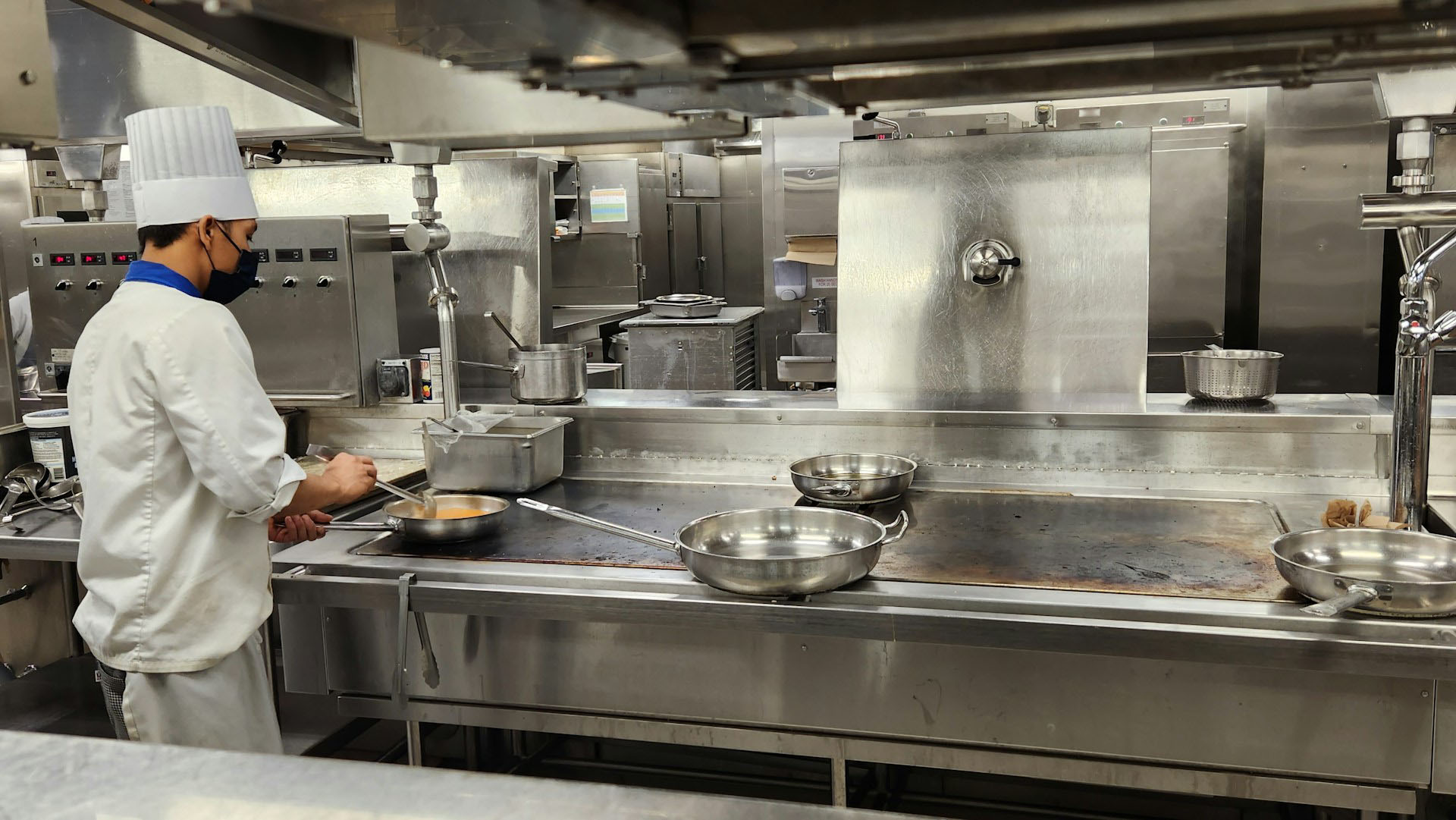
Photo by Nico Smit on Unsplash
Contact Walden’s air quality experts at 516-559-6976 to further discuss the cook stove requirements and/or to set up your emissions test today!