
Common Semi-Annual Site Compliance Inspection Error Findings
What Is a Semi-Annual Site Compliance (SASC) Inspection?
Sites that are covered by the Connecticut Department of Energy and Environmental Protection (CTDEEP) Stormwater General Permits are subject to various inspection and documentation requirements. The General Permit requires a Stormwater Pollution Prevention Plan (SWPPP), regular inspections, and periodic monitoring of stormwater outfalls to prevent potential pollutants from discharging in stormwater runoff and entering local waterways. There are three different types of Stormwater General Permits in Connecticut, including:
- Construction Stormwater General Permit
- MS4 General Permit
- Industrial Stormwater General Permit
If your facility is covered by any of the above listed permits, your facility is required to have a Semi-Annual Site Compliance (SASC) inspection performed twice a year. This blog will focus on common errors found during SASC inspections, which evaluate stormwater management and treatment devices in place at a facility to prevent pollution.
Top Common SASC Error Findings
Below is a list of the most common errors encountered during SASC inspections. This list has been prepared to inform you of items to look out for and things to consider before your next SASC inspection, with the ultimate goal of avoiding violations to save your company time and money. The list is in no specific order.
1. Failed Sediment Controls
It is common for sites to implement different kinds of sediment controls to prevent erosion. Areas under construction will often employ temporary artificial methods. The most common examples are silt fences, erosion control blankets, and sediment traps.
Although these are effective methods to prevent erosion for short periods, they are not designed for extended use. Oftentimes during SASC inspections, broken silt fences and overflowing sediment traps are observed. As a result, it is important to ensure these temporary artificial methods remain in proper working order when on site. They should be checked regularly and before a SASC inspection is performed.
2. Sediment Spilling on Roads
Sediment from stormwater runoff and washout can spill onto roads and sidewalks from active work zones without proper management. This error finding is a common violation caught during SASC inspections because it is easy to detect and usually can be spotted while entering the site.
One way to prevent this is by installing barriers to catch sediment before it can spill onto roadways. This will help keep your worksite up to code and help you pass the SASC inspection.
3. Damaged Outlets
Stormwater outlets help control the velocity of stormwater discharge to surface waters after a storm. This is the last line of defense before stormwater leaves the site.
Unfortunately, outlet best management practices often get ignored simply because they are out of sight and usually are set back from a facility. The most common error findings pertaining to outlet structures are signs of cracking or erosion surrounding them.
To prevent this, facilities can conduct routine inspections to examine outlet structures before and after heavy rain events. Using rocks to regrade broken outlets is recommended to prevent soil erosion.
4. Insufficient Grading Plan
Appropriate grading directs stormwater runoff away from a property and toward a stormwater outlet. Common signs of improper grading include pooling water, exposed roots around plants, and insect infestations.
To prevent this, ideal grading should minimize steep areas and flat areas. Too many steep areas can lead to large amounts of erosion, and too many flat areas can lead to pooling water.
How Walden Can Help
If you would like more information about stormwater general permit compliance recommendations, our team of professionals can help. Contact Walden’s stormwater experts at 516-980-5508.
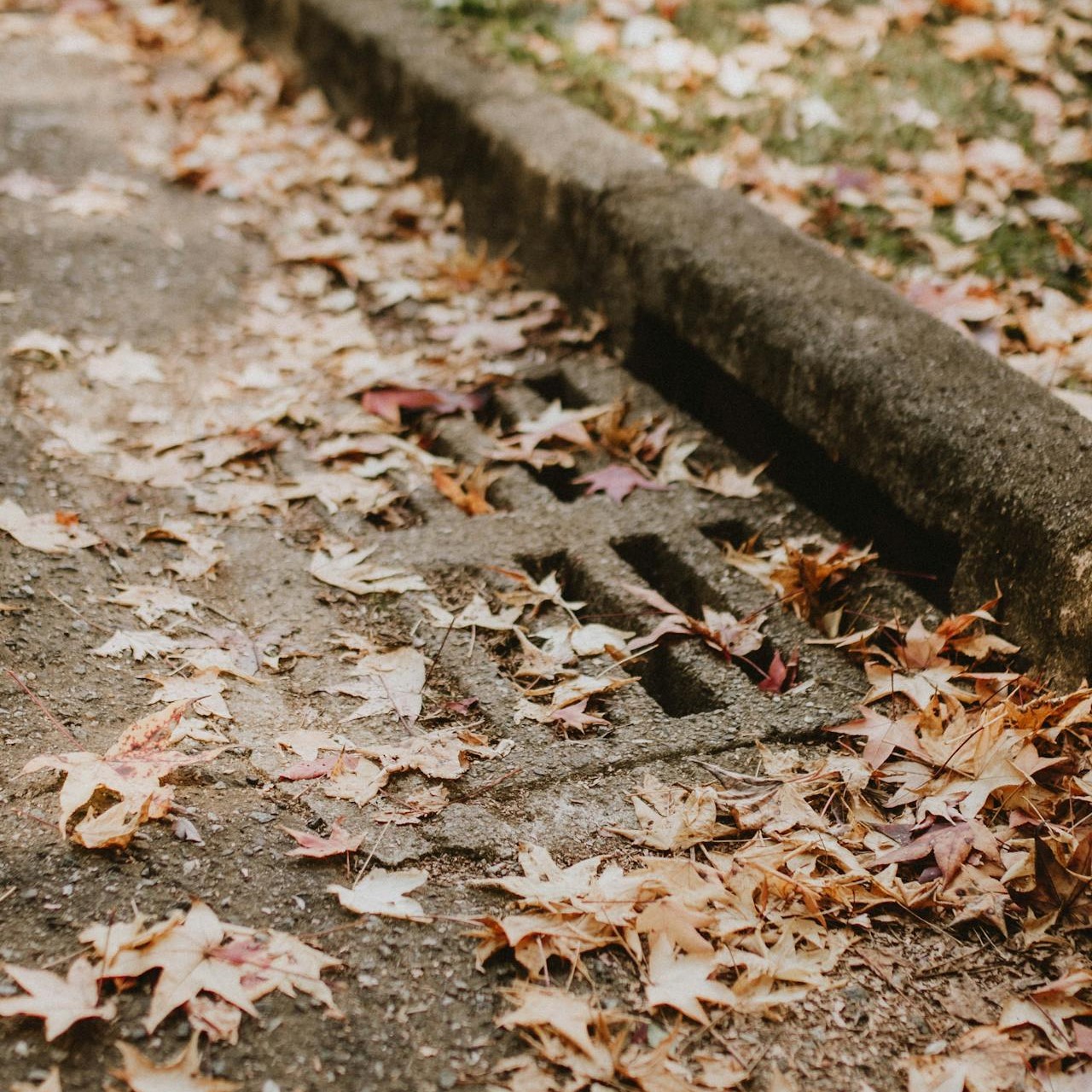
Photo by João Vítor Heinrichs: https://www.pexels.com/photo/a-close-up-shot-of-a-storm-drain-7807058/
Contact Walden at 516-980-5508 for help ensuring that you are ready for your next semi-annual stormwater inspection.