2026 CFA Program Highlights
Are you interested in applying for grants offered through New York State’s (NYS’s) Consolidated Funding Application (CFA)? Each year, several state agencies accept applications to a variety of funding programs through the CFA. This makes the funding application process easier and simpler. The deadline to apply for programs issued via this year’s CFA is July 31 at 4 p.m.
Below, we review four CFA programs that may be of particular interest to Walden’s clients. We have successfully secured funding for clients in previous rounds of these programs.
 New York State Community Development Block Grant (CDBG) Program – Public Infrastructure
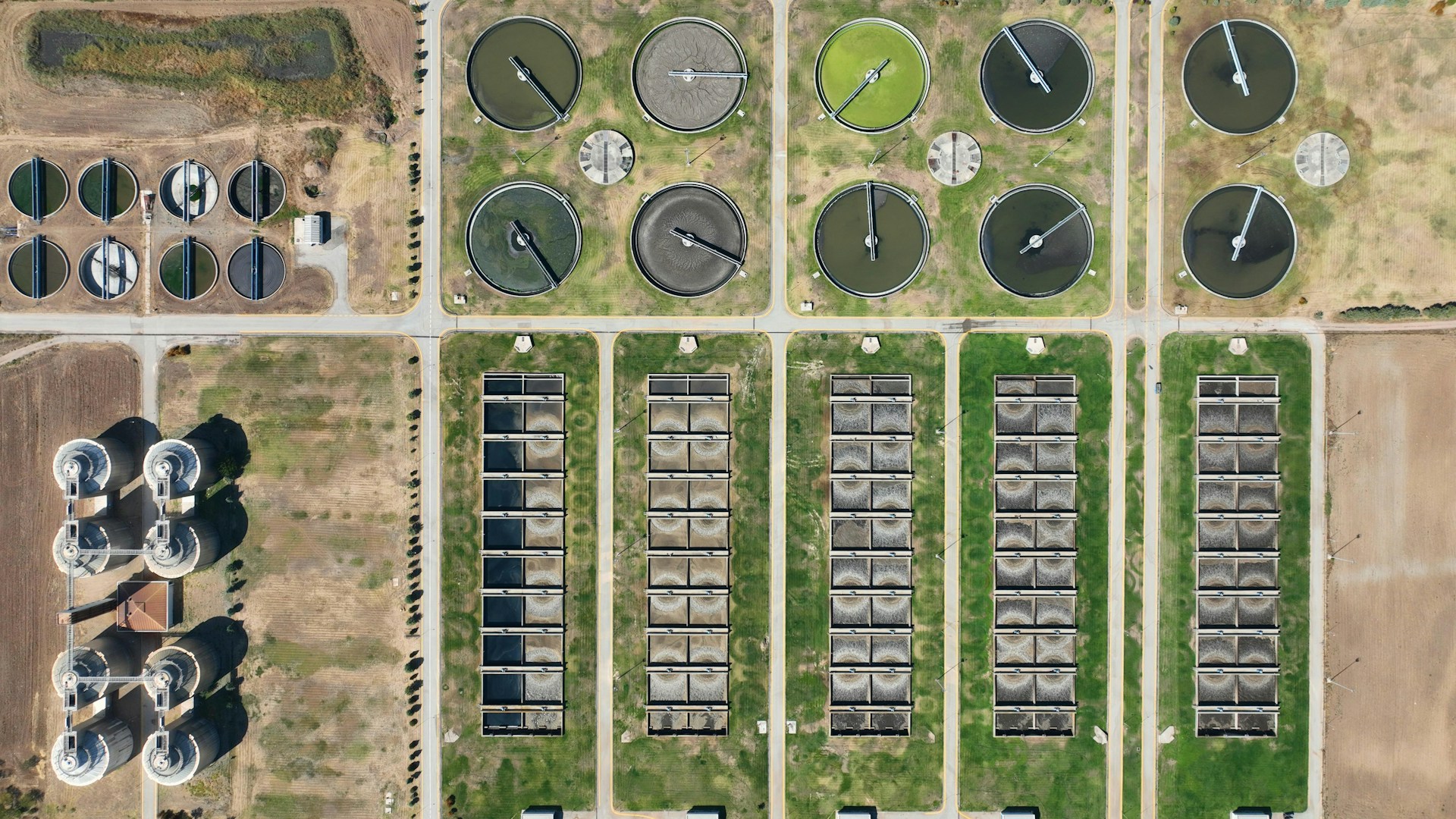
The CDBG is issued by the NYS Office of Homes and Community Renewal. Program funding is allocated to support projects that further community and economic development, mainly in lower-income areas. The Public Infrastructure Program specifically designates funding for water system improvements. Eligible projects encompass areas including wastewater treatment, stormwater drainage, drinking water distribution, and much more. Funds awarded can also be used to support program administration.
$25 million in total funding is available through the 2026 round of the CDBG’s Public Infrastructure Program. Award amounts for individual applicants are capped at $1.5 million (although this may be increased to $2 million for entities that seek co-funding with other eligible programs).
Municipalities with populations of less than 50,000 can apply for this funding. The population limit is extended to 200,000 for counties. The complete list of eligible communities is available from NYS here.
 Water Quality Improvement Project (WQIP) Program
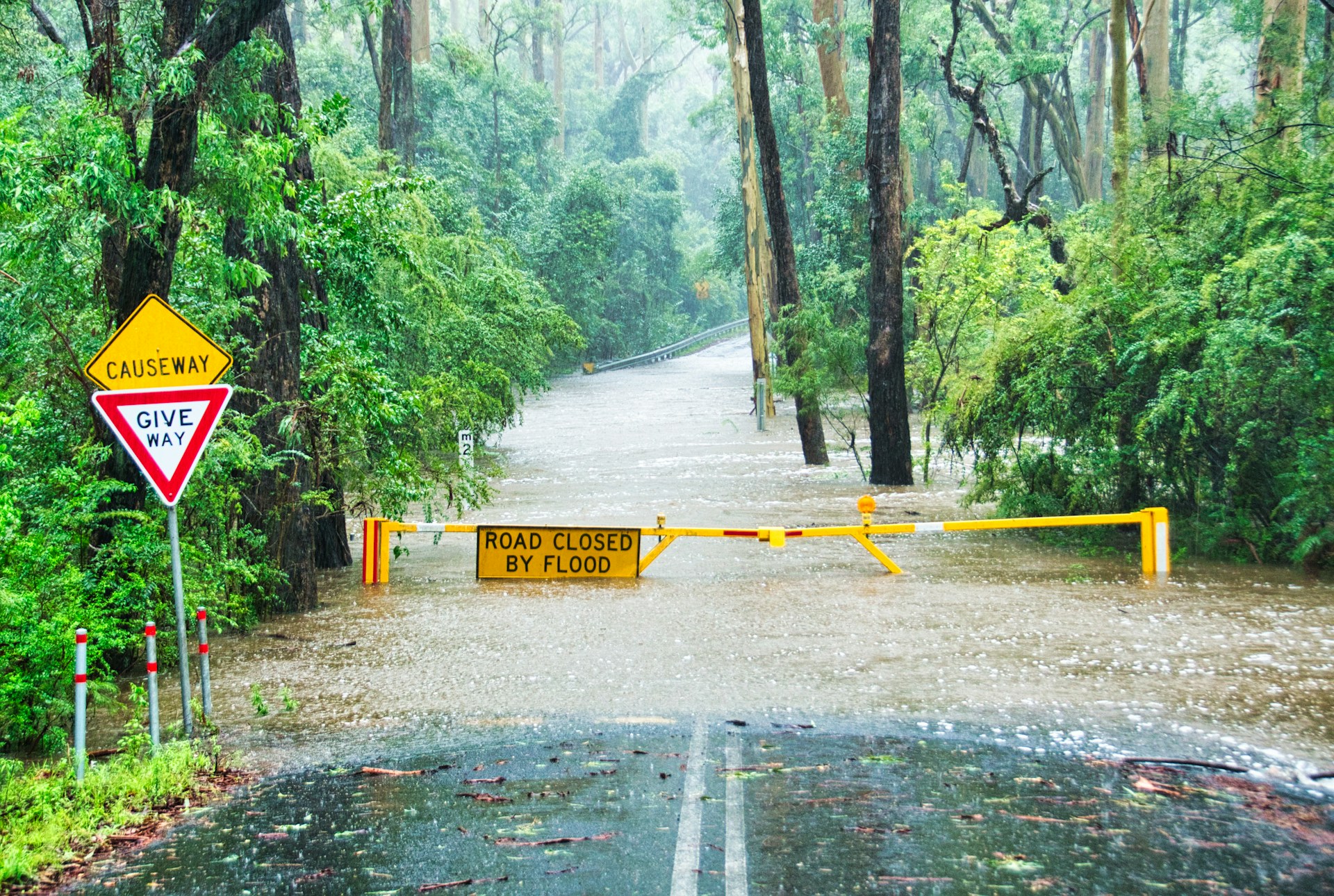
WQIP funding is administered by the New York State Department of Environmental Conservation (NYSDEC). The main goal of the WQIP Program is to support projects that advance water quality and flood resiliency. There are several categories of eligible projects, such as sanitary sewer system development, nonpoint source pollution reduction, and improving salt storage/decreasing the use of salt for de-icing in general. Of note, this year is the first year that projects furthering the treatment of leachate at landfills can receive WQIP funding.
$75 million or more in total funds will be available through the 2026 round of the WQIP. Maximum allocations for individual projects vary widely depending on project category, and range from $100,000 to $15 million. There is a 25% match requirement for most applicants.
Municipalities are able to apply for funding across all project categories. Soil and water conservation districts can receive funding for most project types, with a few exceptions. Non-profit organizations may be awarded grants for a subset of the project categories. Visit DEC’s WQIP Program page to learn more.
 Non-Agricultural Nonpoint Source and Municipal Separate Storm Sewer System (MS4) Planning Grant (NPG) Program
Like the WQIP Program, the NPG Program is also administered by NYSDEC. The purpose of the NPG Program is to fund initial planning for work that will ultimately result in water quality improvements. The NPG and WQIP fund similar kinds of projects; the goal is that once an organization completes the NPG-funded planning phase of a project, they should then be in a good position to apply for WQIP or similar funding to implement the project.
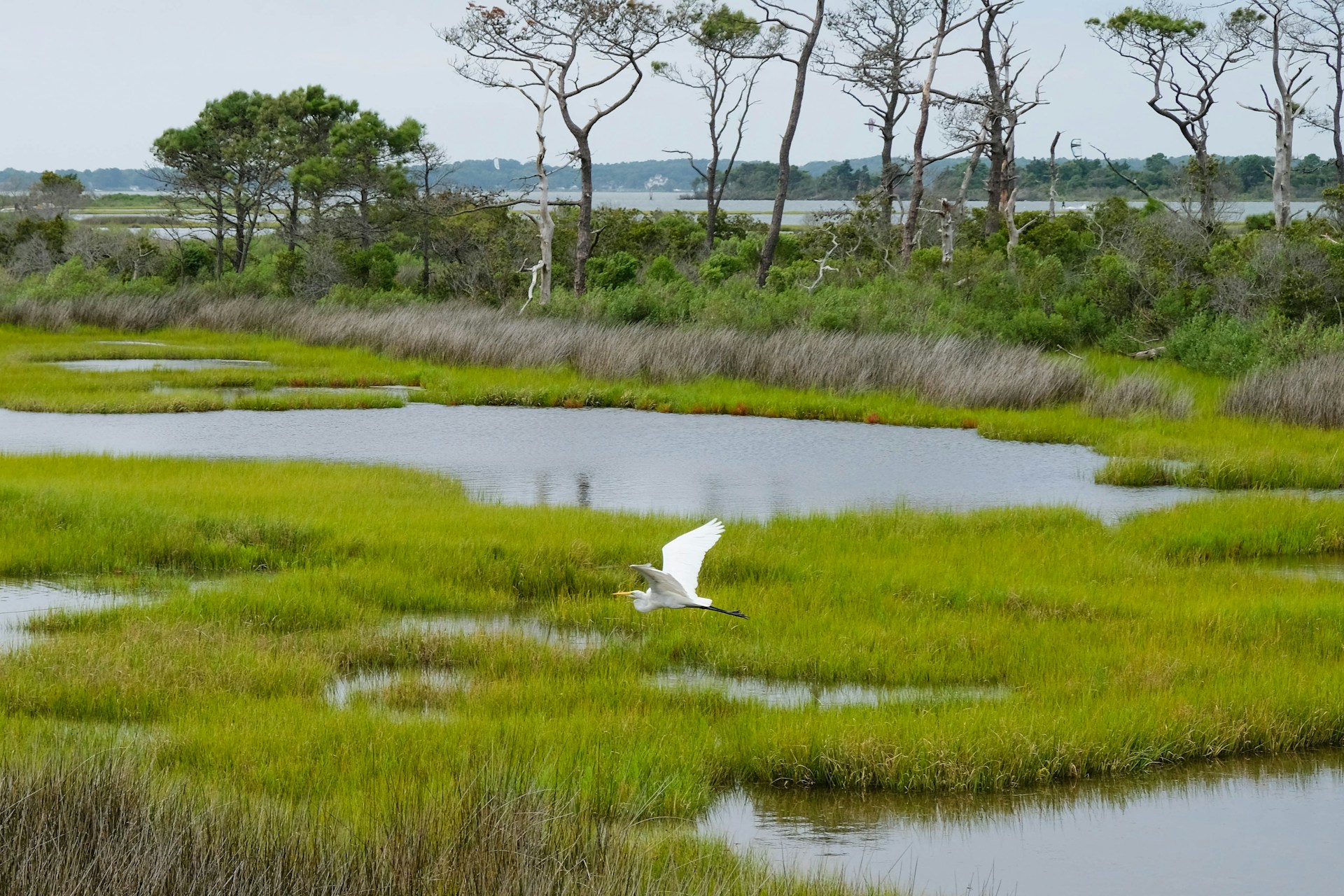
There are two main project types covered under the NPG: nonpoint source pollution planning and MS4 planning. Nonpoint source planning covers a wide range of project types, such as wastewater/stormwater system improvements, wetland/floodplain restoration, and stream/river rehabilitation. MS4 planning involves either the mapping of stormwater systems or – new this year – the development of a stormwater management plan (SWMP).
Entities eligible to apply for NPG funding include municipalities and soil and water conservation districts. There is a total of $3 million in funding available through the 2026 round of the NPG. Most projects will be able to receive a maximum of $50,000 or $75,000, depending on project type, with certain exceptions – see the full details at NYSDEC’s NPG Program page.
 Climate Smart Communities Grant (CSCG) Program
Similar to the previous two grants, NYSDEC also manages the CSCG Program. The program’s main goal is to support projects that decrease greenhouse gas (GHG) emissions and improve climate resiliency. Applicants can seek funding for either implementation or certification projects.
Implementation projects fall into three categories:
- Climate change adaptation – i.e., preparing for extreme heat events in the future
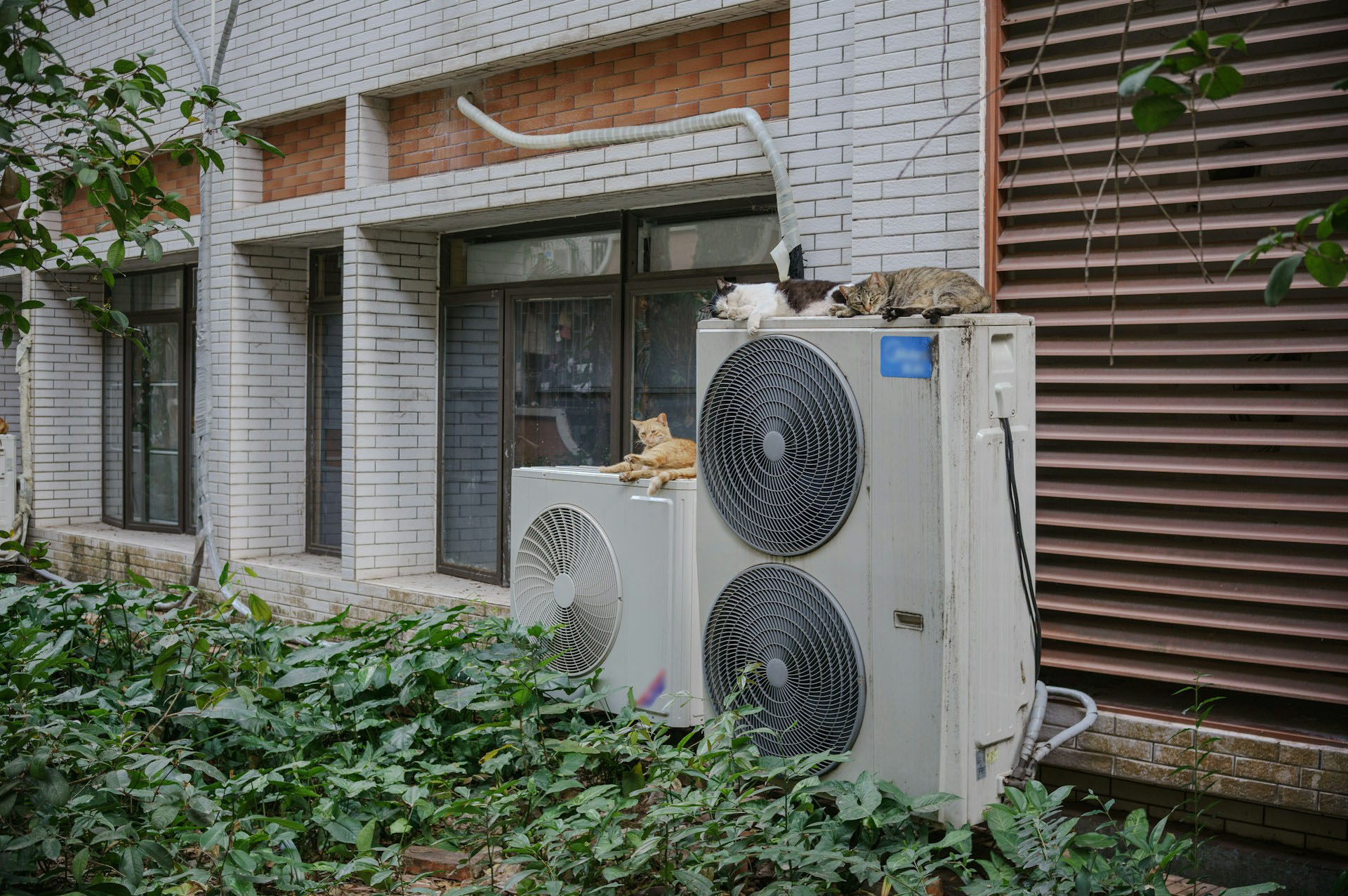
- GHG mitigation – i.e., implementing renewable alternatives (like heat pumps or solar panels)
- Engineering feasibility studies – i.e., evaluating the potential effects of replacing your HVAC system with one that uses natural refrigerants
Certification projects are those that move communities toward becoming a certified “Climate Smart Community.” New York’s Climate Smart Communities (CSC) Program defines several actions that communities can take to become more sustainable and ultimately earn the certification. The CSCG Program funds a subset of these actions.
A total of $18 million is available through the CSCG Program. $17 million is allocated for implementation projects, which can range from $35,000–$2 million. The other $1 million supports certification projects, which can range from $10,000–$200,000. There is a 50% match requirement for applicants, although this is reduced to 20% for high-need communities.
Municipalities can apply for CSCG funding for implementation and certification projects. It is important to note that your community does not have to be an active participant in the state’s CSC Program (i.e., achieved or pursuing “certified” CSC status) in order to apply for CSCG funds. However, those that are will receive additional points in the application scoring process. Learn more about the CSCG Program here and general CSC certification requirements here.
How Can Walden Help?
Walden’s grant writing team has secured over $60 million in funding for our clients to date. We assist clients with applications to various CFA programs each year. If you are interested in learning more about the funding opportunities currently available to you and connecting with a knowledgeable grant writer, contact us at 516-548-2974.